

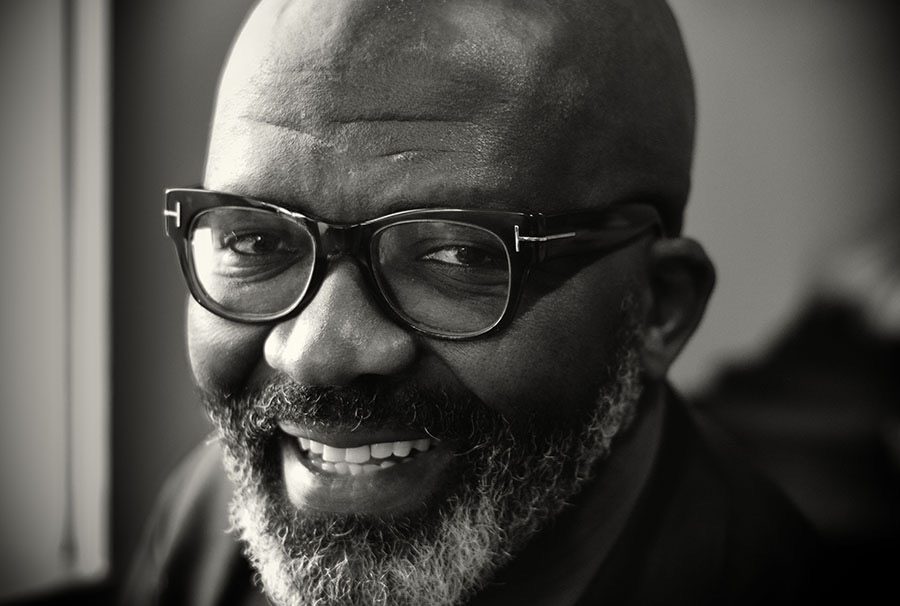

“What I would like people to take away, after seeing Ben’Imana, and Lady, and Cotton Queen, I want them to take away narratives that are so original, so genuine.” – Keith Shiri
By Vivian Nneka Nwajiaku
The 13th edition of Film Africa, a leading UK festival for African and African diaspora cinema, begins this week under the theme: “125 Years of Storytelling and Movie Making in Africa”. Presented by the Royal African Society in celebration of its 125th Anniversary, the festival brings together an interesting lineup that includes some of the most widely travelled African films of the year alongside promising films from across the continent and its diaspora.
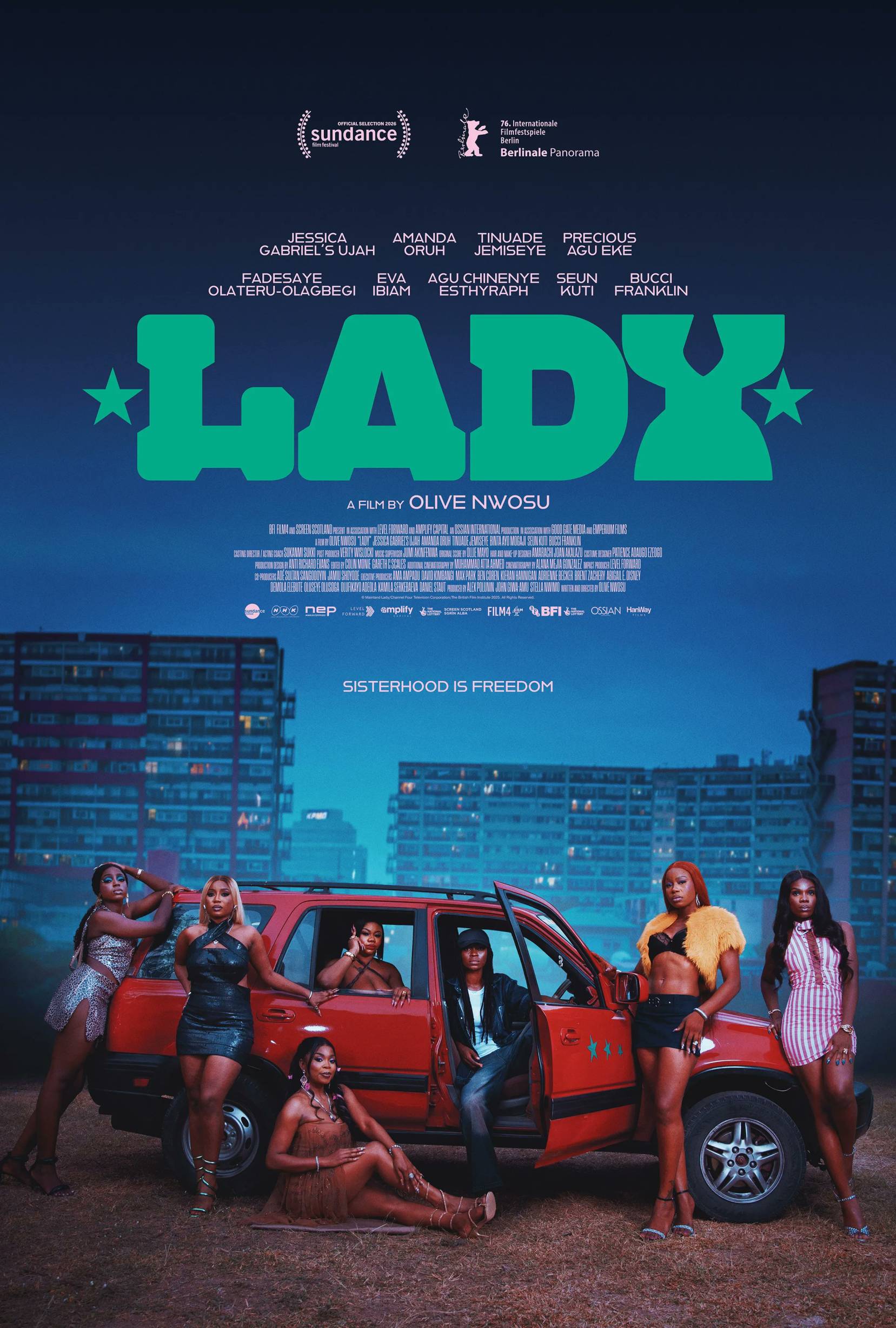
Curated by Keith Shiri, an international curator of African art and film, Film Africa will open on 23rd October with Marie Clémentine Dusabejambo’s Ben’Imana (2026), which won the Caméra d’Or at the Cannes Film Festival, and close on 1st November with Olive Nwosu’s Lady (2026), which won the World Cinema Dramatic Special Jury Award for Acting Ensemble at the Sundance Film Festival.
Both films bookend a programme that foregrounds female filmmakers and women-centred stories. This emphasis extends to “Twende: African Women and Cinema”, a symposium presented in partnership with the BFI Southbank to provide a platform for dialogue, reflection and audience engagement around the contribution of African women filmmakers to contemporary world cinema.
Shiri brings decades of experience in programming, with a focus on African cinema, to this year’s edition. He served as a member of the Berlinale World Cinema Fund from 2004 to 2007, and has advised and programmed for prominent film festivals, including the Venice Film Festival, Toronto International Film Festival, and the BFI London Film Festival, with a focus on African cinema. He is also a founding director of Africa at the Pictures and a member and juror of the Africa Movie Academy Awards (AMAA).
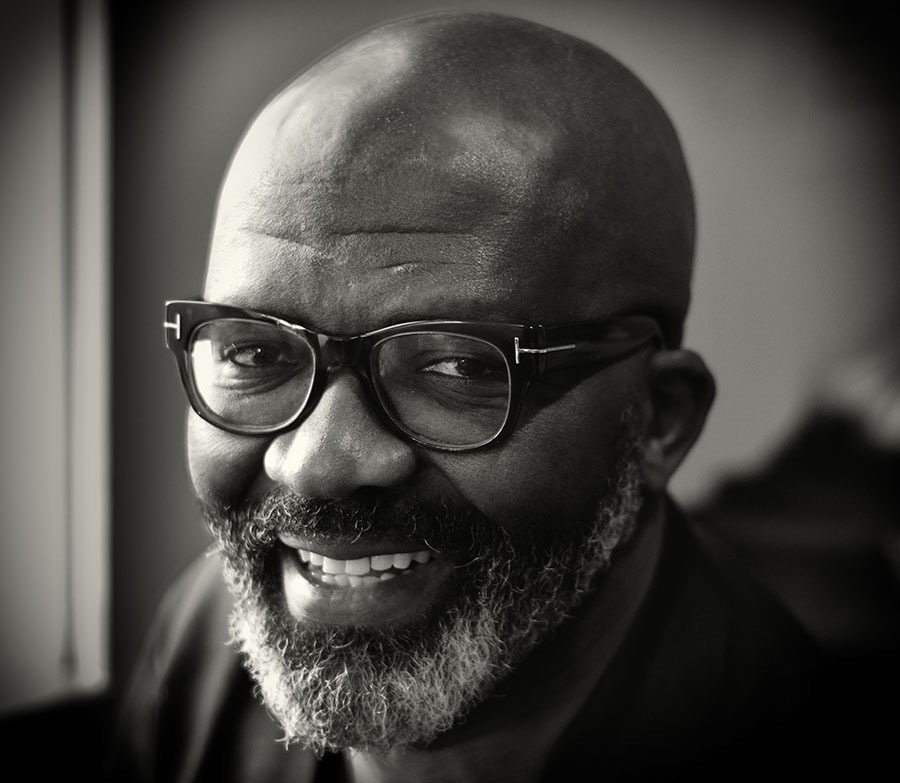
In addition to his work at Film Africa, he was recently announced as the Festival Programmer and Jury Coordinator for the 2026 Africa International Film Festival (AFRIFF), scheduled to open on 1st November.
In this interview ahead of Film Africa 2026, Keith Shiri speaks with Afrocritik about the festival’s women-centred programming, the diversity of African cinema, and the support needed to sustain the industry’s creative momentum.
* This interview has been edited for length and clarity.
What conversations, preoccupations, or developments in African filmmaking have stood out to you this year and in curating the festival?
I’ve been paying attention to what’s going on. As we speak now, I know what’s going to happen in 2027 or 2028 because I’m following people’s careers. Most of these films don’t come from FilmFreeway, as lots of festivals do. I get direct links from filmmakers, some of whom I’ve known for a number of years, including the opening film, Ben’Imana, by Marie Clémentine. There’s always been a story about what happened in 1994, the genocide in Rwanda. So many films have been made, documentaries, about what happened. But she approaches it a different way. She takes this personal journey with these women who are part of these kinds of recoveries. That’s the opening film.
The closing film is Lady. It’s about a woman’s story, a woman behind the camera, and directing the production. The production is all women. We also [have] a film called Dear Ajayi, which is not by women, but it’s a very significant film (about women) from Nigeria, which we are quite excited about. And we have another film called Her Daughters’ Mother; we are going to have a world premiere at EbonyLife Cinemas, which is quite extraordinary.
We’re going to have filmmakers who are mostly women. I wasn’t deliberate in going in search. I was looking for films. And then to realise that African women have been embracing digital technology to make sure that they own the story, which is a power in itself. And I think that it was then I decided that we needed to attach the screenings with a symposium on the following day, on the 24th, which is “African Women and Cinema”, which kind of has all the lists of women from history, from the archives, and to the future.
When we talk about African cinema, we’re talking about cinema that only started to exist [after] independence. The pioneers of African cinema, the women were only two, maybe three during that time. Safi Faye from Senegal, for example, and Sarah Maldoror. Now, if you go to Kenya, for example, seventy or eighty percent of directors coming from Kenya are women. The industry in Nigeria is dominated by women. It’s quite obvious that we have to have this kind of important conversation the way we do. I’m just a curator, but I’m responding to what’s been going on around us. And it’s just a conversation I’m suggesting to a lot of people.
What do you hope that audiences this year will take away from Film Africa, with regards to the festival’s curation around women-centred cinema?
We are addressing an audience [that] sometimes they don’t go to see films as such. We’ve got a large demography of Africans who live in the United Kingdom. They don’t go to the London Film Festival, for example, but if you create an architecture or something very quite immediate to them, and then offer them spaces that we are going to offer them? I hope it can continue, including the fact that we have this new cinema by Mo Abudu (EbonyLife Cinema, London).
Because there’s so much coming from Africa right now. It’s incredible. I think there’s a buzz and energy that is coming from African creatives, not only about film, but also art. It’s actually so real, produced by Africans and directed by Africans, and with all the confidence, especially by women filmmakers.
What I would like people to take away, after seeing Ben’Imana, and Lady, and Cotton Queen, I want them to take away narratives that are so original, so genuine. I’ve never seen Lagos being portrayed the way this film (Lady) is done. That bridge, I know some people don’t even shoot; they use drones. They can’t negotiate the [toughness], but they did that, these women. And most of them are unseasoned actors, those women in that film. That’s talent. They’re not celebrities, but they give you some kind of dimension of cinema. I like when you see things like that.
And on the other hand, there were also some polished filmmakers, like the Esiri brothers, who have got the film called Clarissa, an adaptation. It also gives you a sense of Lagos, but in a kind of very specific space. It’s an absolutely beautiful drama. Beautifully performed by the actors in it.
So, what I’d like people to take away from it is the diversity of African aesthetics. Like Dear Ajayi, which premiered in Venice. It’s a beautiful film. It’s absolutely rough around the edges, but it actually suggests that you can do cinema that is really in sync with your own reality.
So, there [are] always all these big nuggets I’m just finding all the time. I go back again [to] the programme and say, I can’t believe that we did that, and I can’t believe this edition. And that’s what we are offering right now. We’ve got the menu. I hope people are going to be satisfied. So, they go to the restaurant and see the menu, and say, “I like that, I like this one”. And then, we can have a conversation afterwards to say, “What did you think about the programme itself?”
It’s interesting that you talk about the diversity of aesthetics in African filmmaking, because there seems to be a certain expectation regarding the kinds of African films that are welcome at international festivals. As an Africa-focused festival, how do you ensure that the Film Africa programme does reflect the diversity in African filmmaking while also capturing the continent’s presence on the international film festival circuit?
When you think about Africa, look at the geography, like with the African Union. I’m talking from Algeria to Zimbabwe. So, I include countries of the Maghreb, countries from West Africa, from Southern Africa, from East Africa, and then you have that kind of diverse narrative, including the islands of Madagascar and Seychelles, for example.
That’s a diverse population in itself. You look at the way we’ve always been evolving and travelling from one place to another. And that kind of, like, lived experiences on the continent. That’s diverse. For me, it’s reflected in the programme that we present. We’ve got films from the Maghreb; we have films from Tunisia; we’ve got films from Morocco; we’ve got films from Algeria; we’ve got films from Nigeria; we’ve got films from Zimbabwe. We cover the whole continent. But we also touch on the Diaspora, Africans who are living in Europe, their lived experience of Africa. And the diversity of it actually includes languages and gender.


This is the brand, Film Africa, and that’s what we propose. And I think that my approach to cinema is always learning from the movement of people on the continent. So, the diversity of the continent itself is [in the] lived experiences within the histories of the continent itself. We try to demonstrate the mosaic of the continent. The architecture is beautiful architecture, with its wounds, its darkness, its light, with everything else there is about it.
Spotlighting underrepresented filmmakers and stories is important work, but what responsibilities do you think festivals have beyond programming and exhibition, and how does Film Africa in particular attempt to move the needle, especially for African women filmmakers?
After this programme, I’m coming to Lagos for AFRIFF, but I’ll come back again for the Africa Movie Academy Awards. And then, after that, I’m going to screen one or two films in Oxford, for students who want to learn about the history of African cinema. There’s a documentary called Camera d’Afrique, which I always suggest that students of African cinema should use as a reference point to understand the history of cinema itself.
And I think, beyond Film Africa, we want to kind of continue to support the films, given that distribution of some of these films is so difficult. So, you want to make it a meaningful journey for some of the films. They will go to Bristol and other venues outside London. And we’re taking some films to Oxford in November and, of course, next year, as we prepare for the next programme. And I think that for me, that’s the legacy.
I do hope that the symposium that we’re going to have is going to produce some important debates, because there are very special women who are coming to this symposium. I’m just looking forward to that.

Considering the increased attention that African cinema has been enjoying on the international stage for some time now, are you optimistic that that attention can be sustained and improved? And for that to happen, what changes do we need to make in the next few years?
I think the gates are open now. I mean, there once upon a time when it was impossible to even begin to talk about African cinema. Now, African cinema is beginning to go to Sundance, to go to Venice. It never used to be the case in the past. The gatekeepers would say, “No, it’s not really good enough. It has to be within the standard so that we can understand it.” I said, “No, I can understand Italian cinema. You don’t have to explain to me. It’s not that difficult to understand, to observe life, to observe the painting. Reality does not necessarily have to be spoken in your way.” But the beauty of cinema is a combination of moods, about rain, about light, sunshine, empathy, everything that is about attention.
There are billions of people struggling to say, “I want to tell you my own story. I know your story. I know John Wayne, I know The Cowboys, I know Tarzan, I know everything there is about you, but you don’t know very much about me.”
Everyone will end up benefiting from the diversity of how we exist on this planet. And I think that is so important. The gates are open. Things are slowly coming to an interesting place. But I do hope that we get more of that, not just from Africa, but from the rest of the countries in the South, whether South America, Asia and other places.
What they’re doing at Red Sea International Film Festival, which [has only been] running for six years, is so impressive. They’re funding films from countries in the South and Africa and so on. Ben’Imana is a beneficiary of the Red Sea Foundation initiative. And that’s what we should do also in Africa. We need to create funds that are necessary to have our creatives to grow and [to] identify the talents, and support from the beginning up to the end.
*Details of the programme are available on the Film Africa website.
Vivian Nneka Nwajiaku is a writer and film critic writing from Lagos. She has a master’s degree in law but spends most of her time consuming, studying and discussing film and TV. She’s particularly concerned about what art has to say about society’s relationship with women. Connect with her on X @Nneka_Viv