

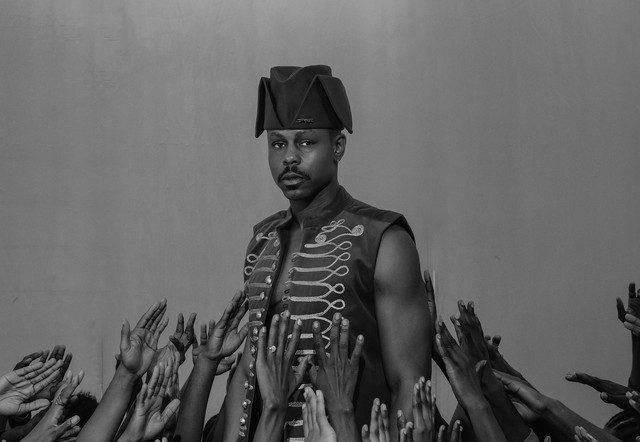

Revival is the rare comeback album that treats the wait itself as material, rather than something to simply move past.
By Emmanuel “Waziri” Okoro
Rap is one of the staples of African music, and Ladipoe (real name Ladipo Eso) has long been one of its shining lights. His talent has never been in question. The moment one hears his signature catch phrase “But you knew that” drop on a song, one has come to expect brilliance to follow.
Casual listeners know him from the viral “Know You” (2020), “Feeling” featuring BNXN (2021), and “Running” featuring Fireboy DML (2021), or from Mavins posse cuts like “Overloading” (2022) and “Won Da Mo” (2022). But the truer measure of his pen sits in the deep cuts: Show Dem Camp’s “Savage” (2019) and “Love on Weekends” (2018), Vector’s “Clowns” (2022), and a slew of scene-stealing verses on Hennessy Artistry.
And yet, for all that talent, the conversation around his legacy has always circled back to one complaint: a discography too sparse to match the acclaim. Since his 2018 debut album, T.A.P (Talk About Poe), and Providence, his 2021 EP, the lyricist has not returned with a full body of work. In a scene that rewards constant presence, that silence has done more to shape his legacy than any bar he’s spit. Revival, then, arrives as argument and answer at once; a project that finds Ladipoe not just present again, but sharper and more urgent than the five-year gap should reasonably allow.
Revival opens with “Chosen” with a beat that interpolates Sade Adu’s 1985 hit “Sweetest Taboo” and sees the rapper addressing the elephant in the room head-on. He restages the exact criticism levelled at him: the Christmas in Lagos film pivot, his project drought, and fans questioning whether he’d drifted from music entirely. “Six years running on vibes album no drop again”, he spits before revealing that “I’ve been unlearning perfection and that’s been taking time”. It’s a confident statement of purpose, setting the tone for an album rooted in self-belief rather than public validation.
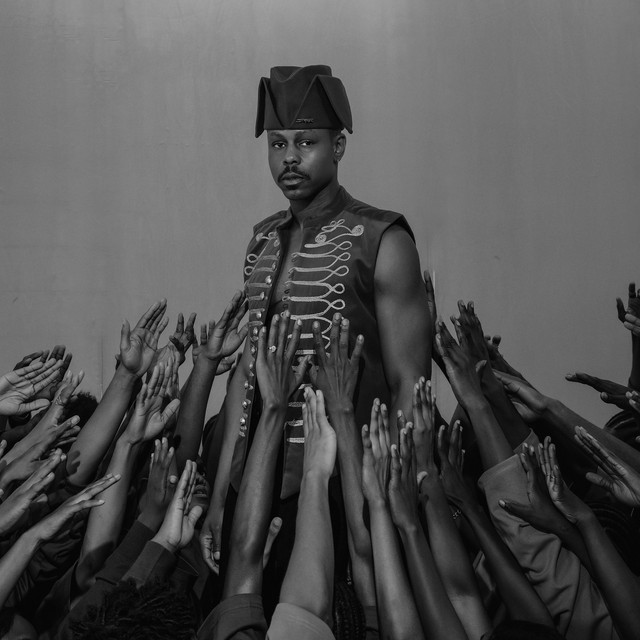
On the Andre Vibez-produced “Amazing (Freestyle)”, Ladipoe reflects on the unseen sacrifices behind his success, turning what begins as a celebratory freestyle into an autobiographical statement. “Like when my sister paid for session because it wasn’t a question/ In her mind what her brother was meant to achieve/ Those who call it overnight success were they there to count nights/ Dey no dey watch the game they only post the highlights”. Elsewhere, he unleashes his trademark wordplay through lines like “I wanna make commas off my grammar” and “Every rhyme a barcode”, reaffirming why he remains one of African rap’s sharpest lyricists.
On “Clutch”, Ladipoe and Teni trade confidence-filled verses over an energetic backdrop, celebrating consistency and excellence without veering into empty bravado. Teni sets the tone with sporting metaphors: “I’m Curry in this bitch/ Nigga I don’t miss”. Ladipoe responds in equal measure: “I go give dem like Yekini/ Shaking the net”. While both artistes revel in their winning streaks, Ladipoe offers a moment of perspective, reminding listeners that “Success in my family home is not a Lexus”, reframing achievement as generational progress rather than material accumulation.
“Many People”, the pre-released single, segues in and sees Ladipoe and Ema Onigah glide over a mid-tempo bounce built for leisurely drives, delivering a carefree anthem about tuning out distractions and remaining focused on the bigger picture. While Ema Onigah opens with infectious confidence, Ladipoe steals the spotlight with razor-sharp punchlines like, “Few innocent, many many two-faced” and “Real balling, no dey play with 2K”. The refrain “Aimọye many people wey dey there / But that one no concern me”, captures the song’s central message: refusing to be weighed down by critics or fair-weather companions.
South African rapper, Maglera Doe Boy, makes a guest appearance on “Motho Waka”, another Andre Vibez production bolstered by breezy basslines, soft piano chords, and punchy drum pads. The cross-border collaboration celebrates resilience and success, with Maglera reflecting on overcoming hardship: “Mashalla we survived these hardships” before declaring, “From Lagos to Josi/ It’s popping”. Ladipoe matches the triumphant energy, delivering victory-lap bars like “Taste the sweet success that hunger made” and “Revival season/ Me I just dey cook the rhymes with reason”, enforcing the album’s overarching narrative of renewal and earned success.
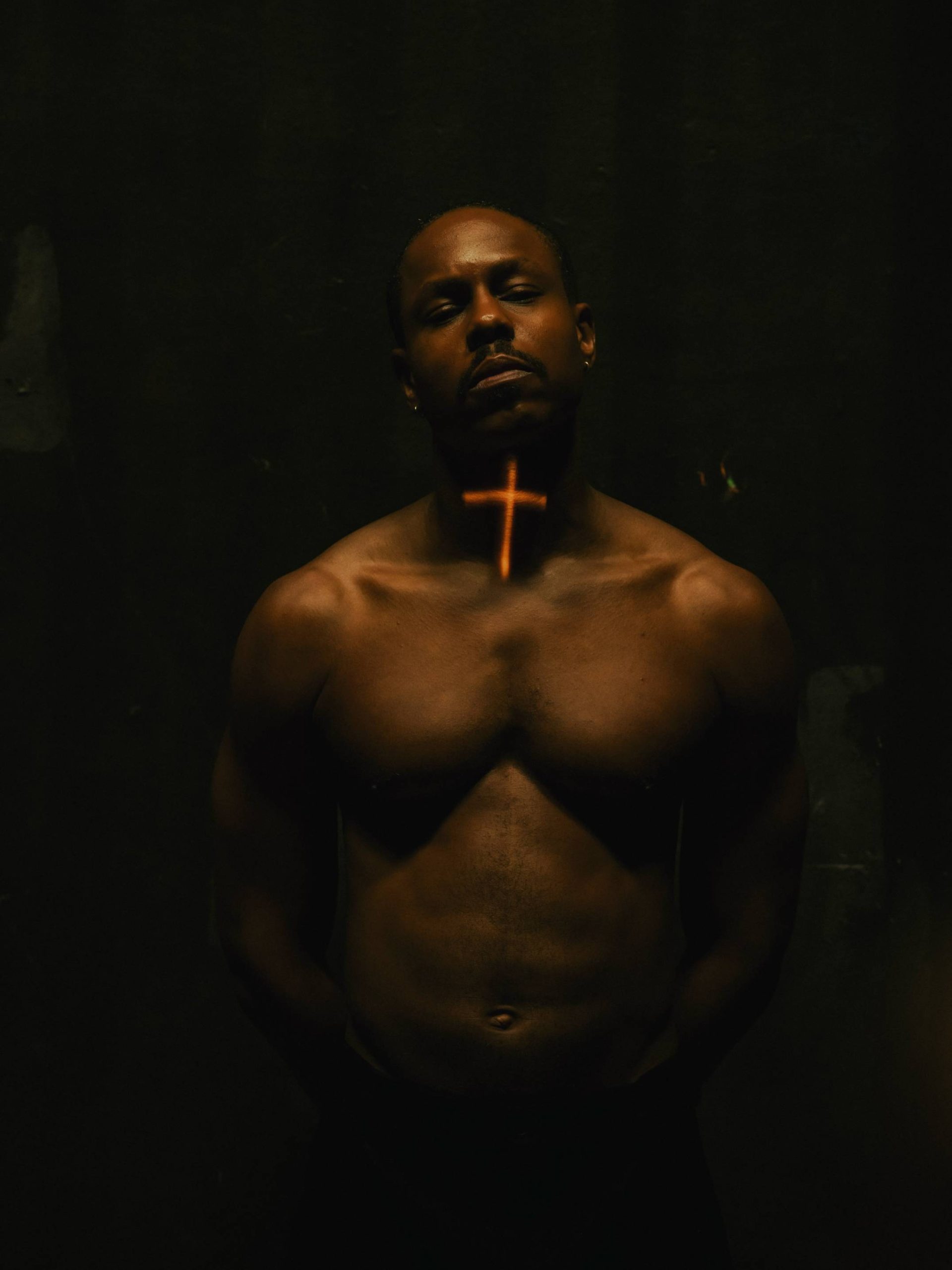
The “Afro Jigga” crooner taps rising sensation, Taves, on “Compose”, trading effortless chemistry on a flirtatious record that injects a welcome dose of levity into Revival. While Taves delivers the infectious hook, Ladipoe matches the playful energy with witty lines like, “Fine boy no dey beg / But you turning me into a bomb threat”. On the Alté-infused “Friend Indeed”, he turns inward, delivering the album’s most introspective moment as he wrestles with ambition, self-doubt, and the sacrifices success demands. “I’m wondering if my salary’s blood money/ Because of all the dreams I’ve needed to sacrifice”, he spits, before arriving at a quiet affirmation: “These vicious cycles never have the right to hold us back”. It is Revival at its most vulnerable and self-reflective.
On “No Level”, Pa Salieu joins Ladipoe for a swaggering record aimed at detractors who, in their view, simply are not on their level. However, beyond the familiar chest-thumpings, the song offers very little. On the Alté-leaning “Jo”, whose carefree bounce would feel right at home on a Cruel Santino or Odunsi (The Engine) project, Ladipoe trades introspection for flirtation. “Tell me how person go come fine like this/ Sure me say God spend extra time on this”, he croons, captivated by his muse.
Revival makes a sonic shift with electric guitar-leaning “One More Time” that sees the rapper ditching bravado for quiet introspection. Looking back on a relationship that continues to shape him, he admits, “My only competition just so happens to be me”. He is reflective when he says, “Is it true that love comes after pain?/ And growth is from sacrifice and change”. This somewhat ties personal healing into the album’s overarching theme of renewal.
On the Gonaboy-assisted “Road Rage / Old Ways”, the project reaches its emotional and thematic climax. Over its brooding production, Ladipoe wrestles with anger, identity, and emotional exhaustion, confessing, “Third Mainland with the road rage/ Make me go back to my old ways”. Gonaboy complements this vulnerability with sharp social commentary: “Public servants become public enemies”. It’s one of the deep cuts on the project.
One of the project’s intimate moments appears on “Palm Trees (Interlude)”, as Ladipoe chronicles fatherhood with remarkable tenderness. Recounting the birth of his son (“The day he came / Looking perfect in every way”), he arrives with the realisation that “I understood the sacrifice only a mum could make”. Jastin Martin makes an appearance on “Pull Up”, a tender record on love and commitment. Ladipoe’s most affecting moment arrives with “Some answers can’t be found with science/ Instead they’re hidden deep in silence”, revealing a man who has learned that love often requires faith more than certainty.
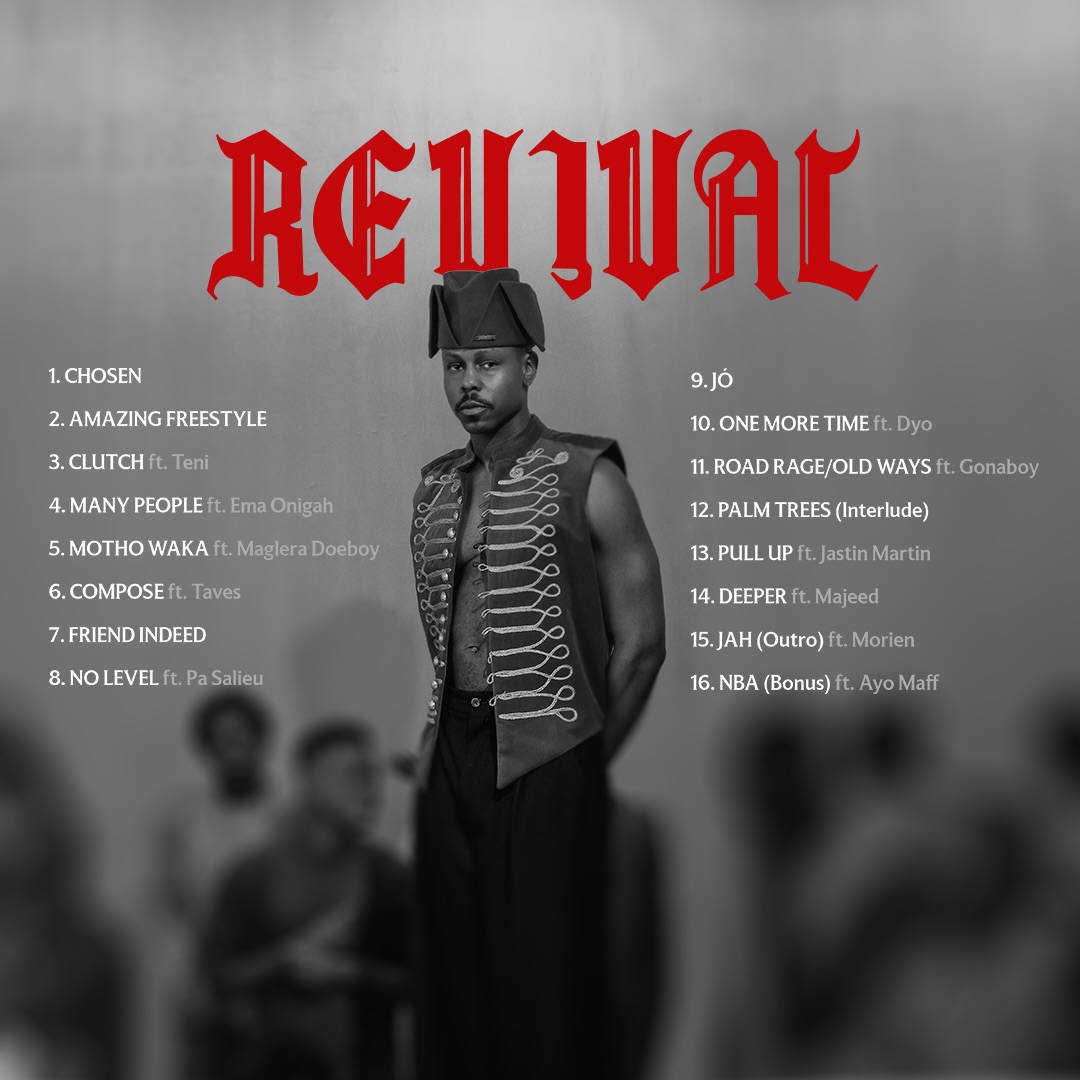
Revival ends with “Deeper”, featuring Afro-pop sensation Majeeed, and “Jah (Outro)”, featuring Morien. The former explores romance, delving further into emotional vulnerability and intimacy, while the latter provides a fitting conclusion through spiritual reflection and gratitude.
Sonically, Revival refuses to sit in one lane, and that’s by design. Andre Vibez, Ucee, Killertunes, Loudaaa, and others anchor much of the album’s backbone, ensuring it slides between Afrobeats-adjacent numbers without ever losing Ladipoe’s bars as the connective thread.
The tracklisting is where Revival shows its intentionality. Rather than front-loading energy and fading into filler, the sequencing mirrors an actual arc. From combative self-defence on “Chosen”, through victory laps and playful detours, into the album’s most vulnerable stretch on “Friend Indeed”, “Palm Trees (Interlude)”, and “Pull Up”, before closing out on reflection and gratitude. It’s a structure that rewards a full listen rather than isolated streaming, which feels deliberate for a rapper this conscious of his own narrative.


The features, too, largely rise to the occasion rather than simply riding the wave. Teni matches Ladipoe’s competitive energy on “Clutch”, Maglera Doe Boy brings genuine cross-border chemistry to “Motho Waka”, and Gonaboy’s social commentary on “Road Rage / Old Ways” sharpens rather than dilutes the track’s central metaphor. If there’s a weak link, it’s “No Level” with Pa Salieu, a song that feels like it belonged elsewhere.
Lyrically, this is Ladipoe at his most assured. The wordplay that’s always defined him is present in full force, but Revival’s real achievement is balancing that technical showmanship with genuine vulnerability (fatherhood, doubt, generational sacrifice) without either side undercutting the other. It’s a rare thing for a rapper this many years into a career to sound simultaneously sharper and more emotionally exposed than before. Revival is the comeback album that treats the wait itself as material, rather than something to simply move past.
Lyricism – 1.8
Tracklisting – 1.6
Sound Engineering – 1.6
Vocalisation – 1.5
Listening Experience – 1.6
Rating – 8.1/10
Emmanuel “Waziri” Okoro is a Nigerian writer and journo with an insatiable knack for music and pop culture, with bylines on Afrocritik, PM News, Tribune, The Sun, ThisDay, Vanguard, and The Guardian. When he’s not writing, you will find him arguing why Arsenal FC is the best football club in the multiverse. Connect with him on Twitter, Instagram, and Threads: @BughiLorde.