

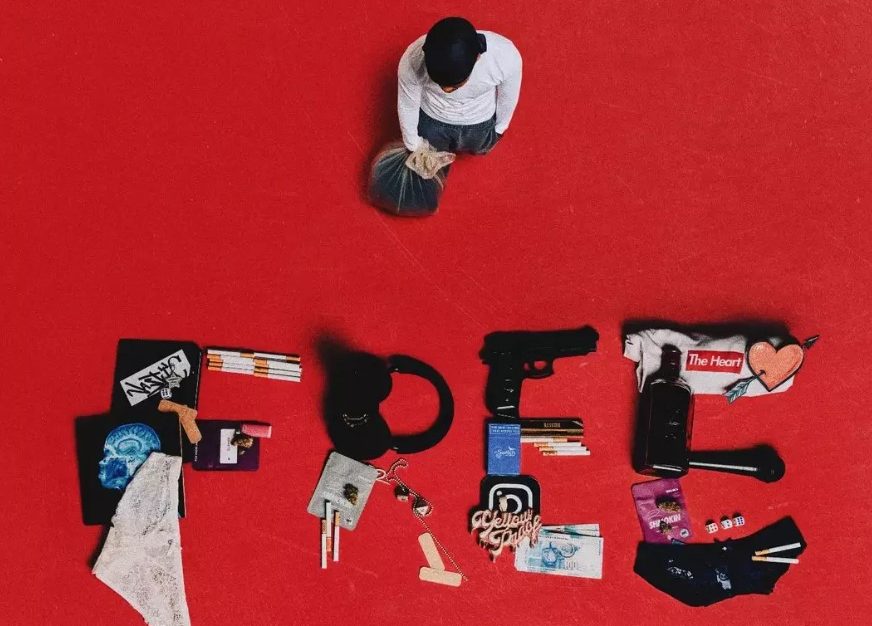

At its best, Free (Deluxe) finds Nasty C operating at a level of emotional candour that few rappers on the continent are willing to reach for.
By Emmanuel “Waziri” Okoro
There is a particular kind of pressure that comes with being one of the standard-bearers of a genre in your country. In South Africa, Hip-Hop has never lacked for talent, but it has always demanded proof. In recent times, rappers in the region and other regions have had to fight for the genre’s legitimacy against the tide of homegrown sounds like Amapiano, Afrobeats, and House music, which have colonised streaming charts and festival lineups with an ease that Hip-Hop, for all its cultural weight, has rarely matched. Surviving in that landscape requires more than skill; it requires reinvention.
Born Nsikayesizwe David Junior Ngcobo, Nasty C has spent more than a decade building one of the most compelling discographies on the continent. From the breakout momentum of 2016’s Bad Hair to the commercial and critical ambition of 2018’s Strings and Bling, and the intimate warmth of the acclaimed and conceptual I Love It Here, which was one of Afrocritik’s top African music projects of 2023, Nasty C has never attempted to make the same project twice.
His 2024 offering, Confuse the Enemy, leaned into the combative, sharpening his pen against the noise of detractors and the weight of expectation; a project that, for all its fire, felt like a man clearing the ground before building something larger. With Free released towards the end of 2025, and its re-upped version, Free (Deluxe), housing six extra songs, the question is what he chose to build.
Free (Deluxe) opens with the Aliyen Stacy and MashBeatz-produced “Intro”, a buoyant mid-tempo bob that sees Nasty C addressing his ‘twin’ (not literal but someone whose closeness rivals that of one) who had been with him pre-fame. The refrain carries an almost confessional vulnerability: “Boost my confidence/ When I’m stumblin’/ Pick me up again/ Fill my cup again”. It is a rare moment of admitted fragility from a rapper whose public persona is rarely anything but assured. The chorus pivots into defiance, striking a hard line between this person and the opportunists circling his success: those who “weren’t with us in the gym” and therefore have no stake in what he has built.
On “Leftie (Dlala Ngcobo)”, the rapper delivers a chest-thumping celebration of everything he has achieved: love, family, faith, and the distance between where he started and where he stands now. With an almost effortless swagger, he spits: “My exes can’t come back to me ‘cause I’m not where they left me/ My bitch just gave me a baby, I’m watching her breastfeed/ All my praises go up to the Most High ‘cause he blessed me”. In those four bars, he covers romantic closure, fatherhood, and spirituality without breaking a sweat. Blxckie’s guest verse slots in naturally, matching the song’s energy with his own brand of unbothered confidence.
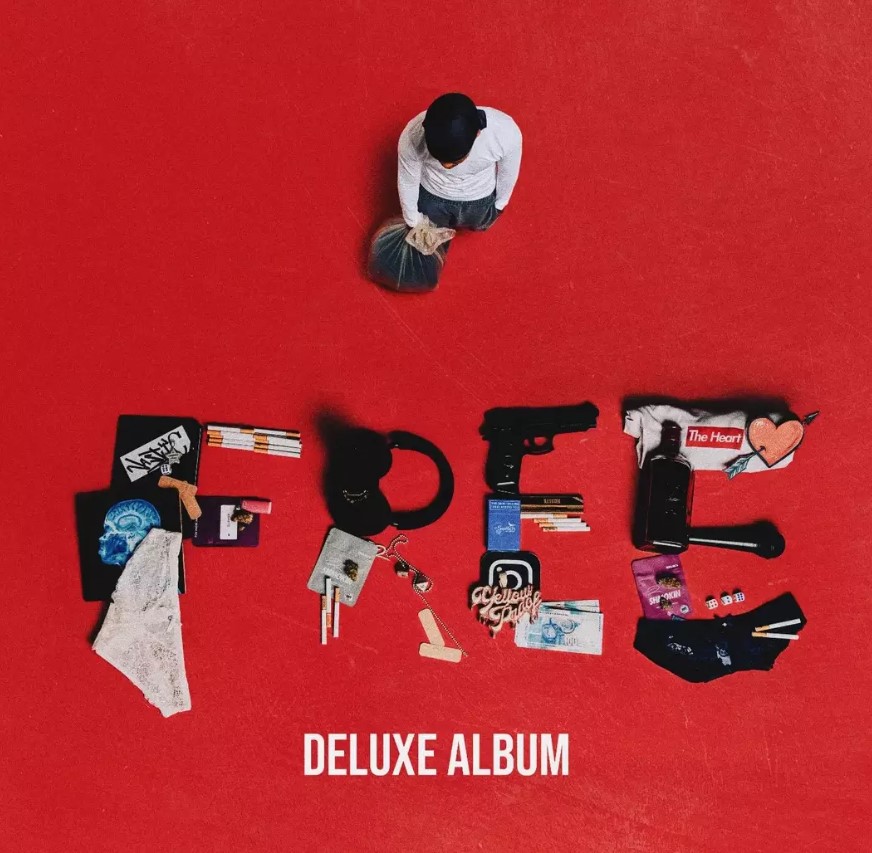
On the WayTooLost bop “Shmokin’”, Free (Deluxe) loses its collar entirely. Nasty C’s verses are lean and light, toggling between flex and nostalgia. But the time he lands on “I got a blunt and a drink/ I might dance ‘til I stink/ Don’t care what they think”, any introspection has been cheerfully abandoned in favour of the moment. “Switch” is also in familiar territory, as the “SMA” rapper explores the quiet demands of money and status conspiring to pull him away from who he is and who he keeps close.
While “Head Up” is one of the album’s most straightforward motivational records, “Soft” is pure indulgence, and it makes no apologies for it. Its easy-going chorus is built around a single clever tension: the idea of working hard to live easy. Nasty C rides it with the kind of relaxed confidence that only comes from actually having done both. Usimamane’s guest verse earns its place, serving up a portrait of come-up energy that mirrors Nasty C’s origin story.
“That’s Whassup” is warm, personal, and sees the rapper trade ambition for gratitude and is better for the exchange. The first verse is disarmingly domestic; nieces and nephews spotting him on TV, the quiet pride of a family man who has not let distance hollow out his relationships. The second verse mirrors the first but shifts the lens outward to his fanbase, anchored by the image of a day-one supporter breaking down in tears at a meet: “You gave me some hope when shit was ugly”, a line that reframes the entire project of his career as something larger than personal ambition. On “10 Shooters”, the rapper covers loyalty, money, race, and relationship paranoia in quick succession without a single thread feeling shortchanged. The line “Workin’ twice as hard as everybody else because we black” arrives without fanfare but lands with weight, a brief but pointed acknowledgement of the structural realities behind the hustle.
“Ice” and “Psychic” occupy the same corner of Free: chest-out, jewellery-rattling rap music that prioritises atmosphere over substance. “Ice” leans into the bling-and-bravado aesthetic with a playful shamelessness, while “Psychic” covers similar ground with a sharper self-mythology at its centre: “I’m a psychic/ ‘Cause I always knew that I’d be rich”. “MSP” is Nasty C at his most unfiltered, whipping out a middle finger at his detractors: “Must be hard to watch his black boy fly/ Plenty hours in the sky”. “Selfish”, by contrast, is one of the project’s most tender offerings. The line, “I’m the one got your missin’ shoe”, is the kind of line that earns its corniness through sheer conviction.
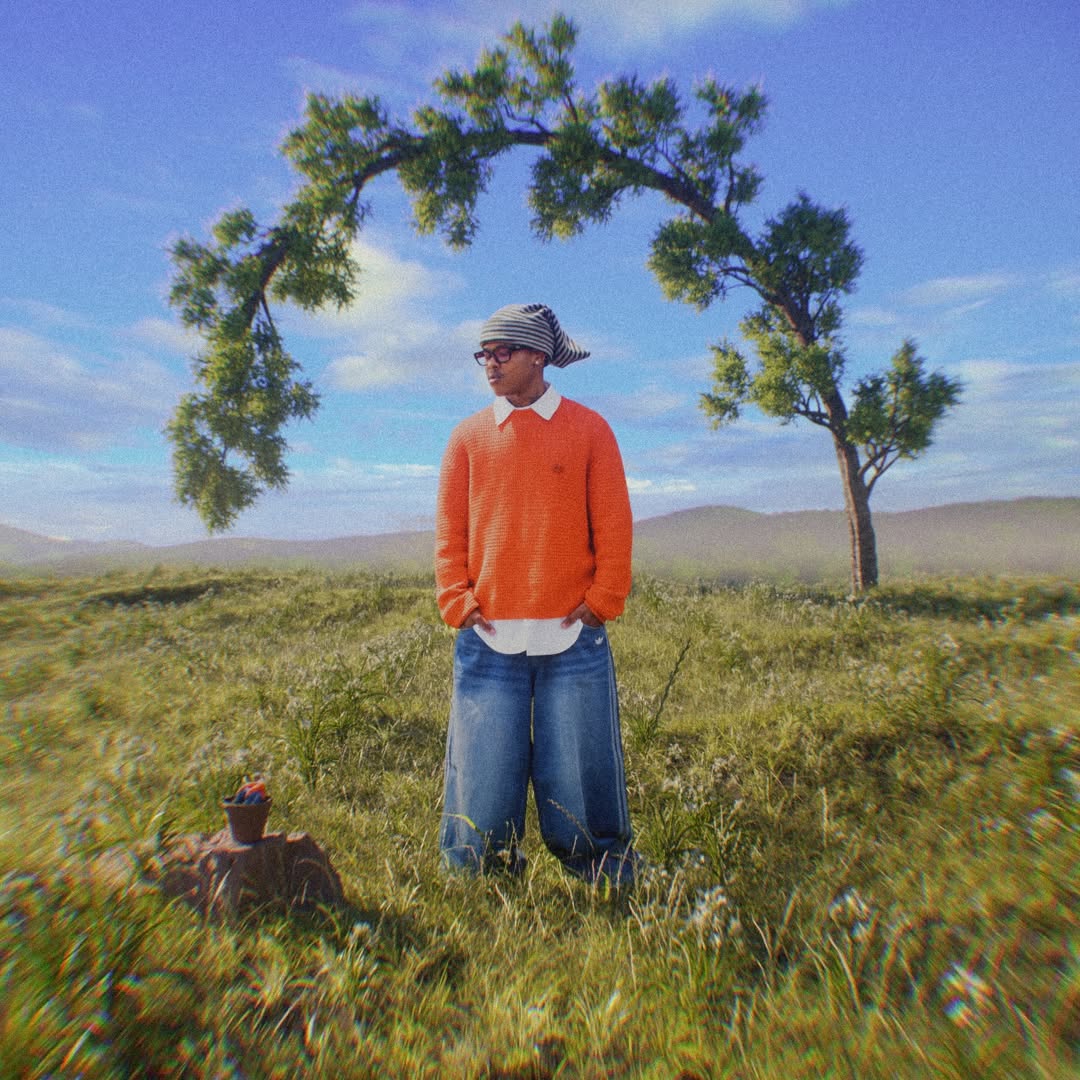
“Big Timing” is the celebration of survival with Tellaman, and the pairing makes sense; both acts carry the particular hunger of people who clawed their way up from the margins of a scene that did not always make room for them. Nasty C’s first verse is dense with the tensions that come with success and a rare flash of mortality: “All this money, hate came quick/ I just pray my death painless”. Tellaman’s verse injects more dynamism into the song, making it one of the instant earworms on Free. JustDan Beats and Trustmelucien team up for the melancholic production of “Evidence”, a track that sees him staring down at his own mortality and finding no certain answers. The chorus frames the central tension with disarming simplicity: faith is present, but it is not enough to silence the doubt. “I got faith but it won’t hurt to get some evidence” is the kind of line that resonates precisely because it refuses to resolve itself into either belief or cynicism.
After the existential probing of “Evidence”, Nasty C pivots into something more personal on “Other Plans”, the aftermath of a relationship he did not handle well enough. The verse opens mid-thought, a daydream of reconciliation over breakfast, eye contact carrying the weight of everything left unsaid. He juggles two harsh truths simultaneously: his partner’s right to move on and his own desperate hope that she hasn’t. “I guess life just had another plan and another man for ya/ You deserve way better and I hope that’s how it pans for ya”. The song is short but leaves an impressive air about it.
“Not Tonight” slides in as a necessary exhale. It pivots into something more defiant: the conscious decision to stop, not out of apathy but self-preservation. Over the upbeat composition, Nasty C croons: “I fucked up once/ Then I fucked up twice/ I could be better but I just wanna be me tonight”. It’s an admission of imperfection that refuses to spiral into self-flagellation. Tshego makes an appearance, bringing his own brand of selective detachment to add more texture to the song’s theme.
“The Heart” is Free (Deluxe)’s most communal moment, and most of its most moving. Nasty C shares the track with his partner Sammie Heavens, and the result feels like a duet between two people who have genuinely built something together. Sammies takes the first verse, tracing her own journey from sheltered girlhood shadowed by the death of her peers: “Never was a ride or die, yeah/ I was scared to die young, yeah/ See them friends was dying young, yeah/ So I always played it safe, yeah”. Nasty C’s verse takes a different route, wading through hazy memories of adolescence and trying to make sense of feelings too large for comfort. “Mi Amor” and “No Typo” serve as a brief return to the album’s more casual register, the former a road-trip record built around the quiet rituals of a settled relationship, the latter a loose, freewheeling flex that coasts on charm. But neither track demands too much of the listener, and that is both their appeal and their limitation.
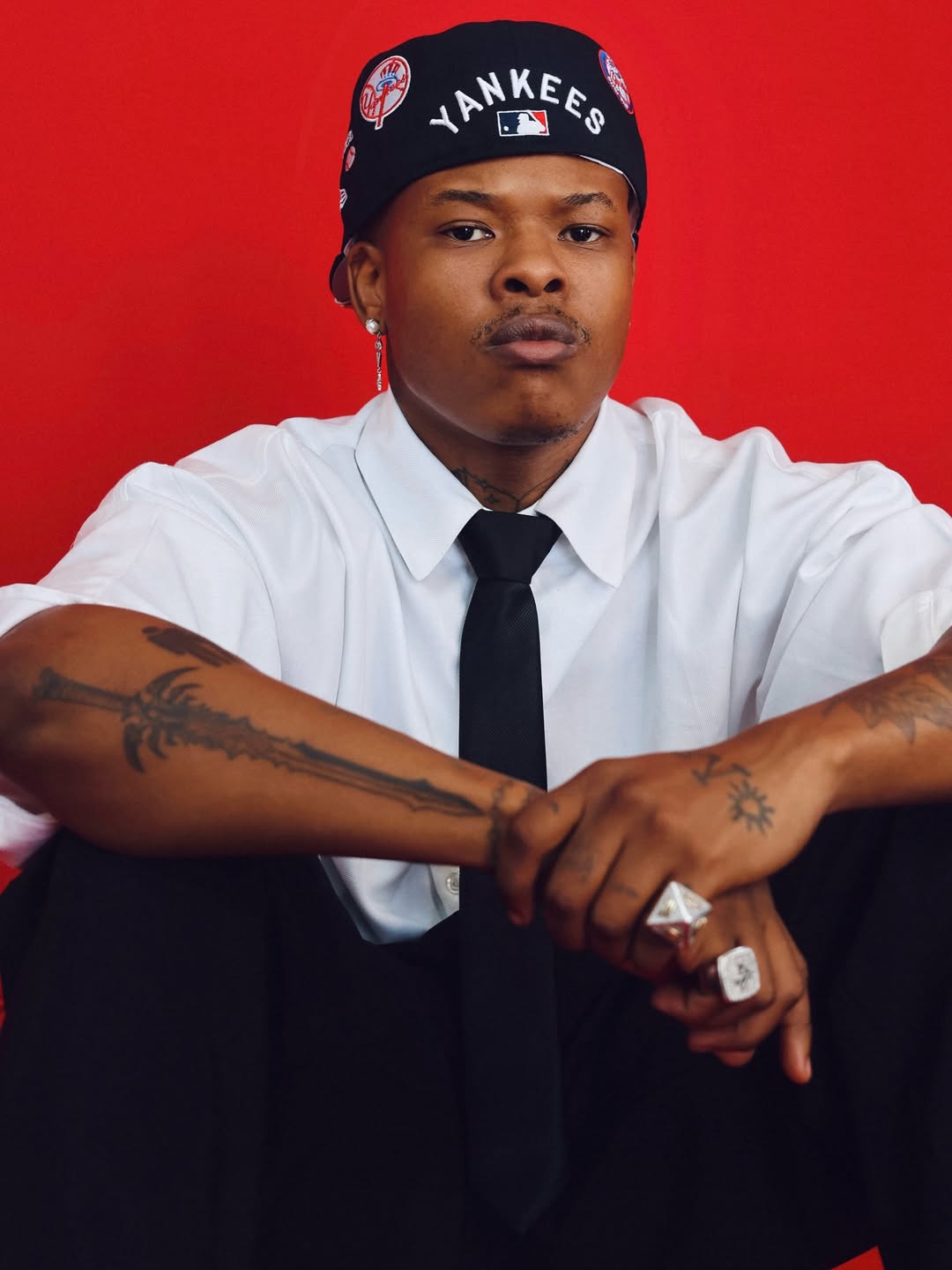
Markk Aylin’s R&B bop “My Shxx” comes next and sees the rapper leaning into desire, staking his claim with a possessiveness that is balanced by tenderness. When he raps “I tell you everything you wanna hear and it’s all true/ I treat your family like my own and take care of ma Dukes”, one can hear the flex and devotion arriving in the same breath. The album closes with two revisitations that reveal different levels of ambition. While “Shmokin’ 2.0” doesn’t offer anything different from the original, “Head Up 2.0” reaches further with the inclusion of Soweto Gospel Choir. In fact, of the six songs added to the deluxe, it makes the strongest case for its own existence, and it is the right note to end on.
Free (Deluxe) is a project with genuine ambition and equally genuine inconsistency. At its best (on “Evidence”, “The Heart”, “Big Timing”, “Other Plans”, and “Head Up”), it finds Nasty C operating at a level of emotional candour that few rappers on the continent are willing to reach for. At its worst, it retreats into filler that neither advances the album’s themes nor justifies its runtime. The production largely serves him well, favouring mid-tempo grooves and textured soundscapes that give his introspective moments room to land. Notably, the features are well chosen if unevenly distributed. Blxckie and Tellaman slot in naturally, Sammie Heavens delivers the album’s most unexpected highlight on “The Heart”, and Tshego and Usimamane hold their own without overshadowing, providing some of the album’s most energetic moments.


What Free (Deluxe) does establish, however, is that Nasty C is in the middle of a creative conversation with himself that is far from finished. Since I Love It Here, it appears like the rapper has been quietly dismantling and rebuilding his artistry one project at a time. Confuse the Enemy (2024) sharpened his pen, while Free opens his chest. Neither project tells the complete story, but together they sketch the outline of an artiste who is no longer content to simply defend what he has built. Where that restlessness leads next will be worth watching closely.
Lyricism — 1.4
Tracklisting — 1.3
Sound Engineering — 1.4
Vocalisation — 1.3
Listening Experience — 1.6
Rating — 7/10
Emmanuel “Waziri” Okoro is a content writer and journo with an insatiable knack for music and pop culture, with bylines on Afrocritik, PM News Nigeria, Tribune, The Sun, ThisDay Newspapers, Vanguard, and The Guardian. When he’s not writing, you will find him arguing why Arsenal FC is the best football club in the multiverse. Connect with him on Twitter, Instagram, and Threads: @BughiLorde.