

“In telling our story, I came to understand that my voice carried the memory of a people. This story is mine, yet it belongs to the history, culture and spirit of Somalia.” — Sahra Noor
By Azubuike Obi
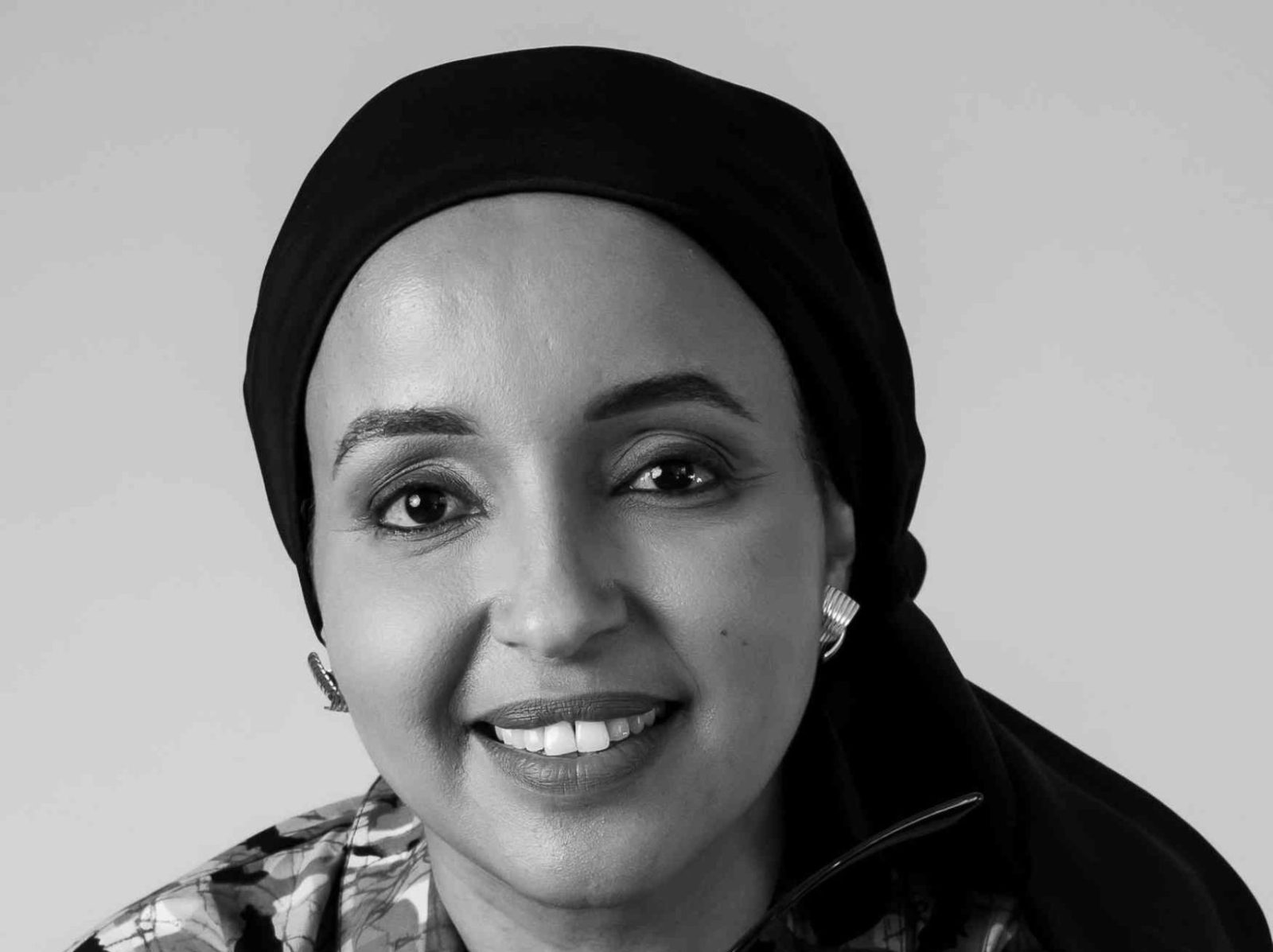
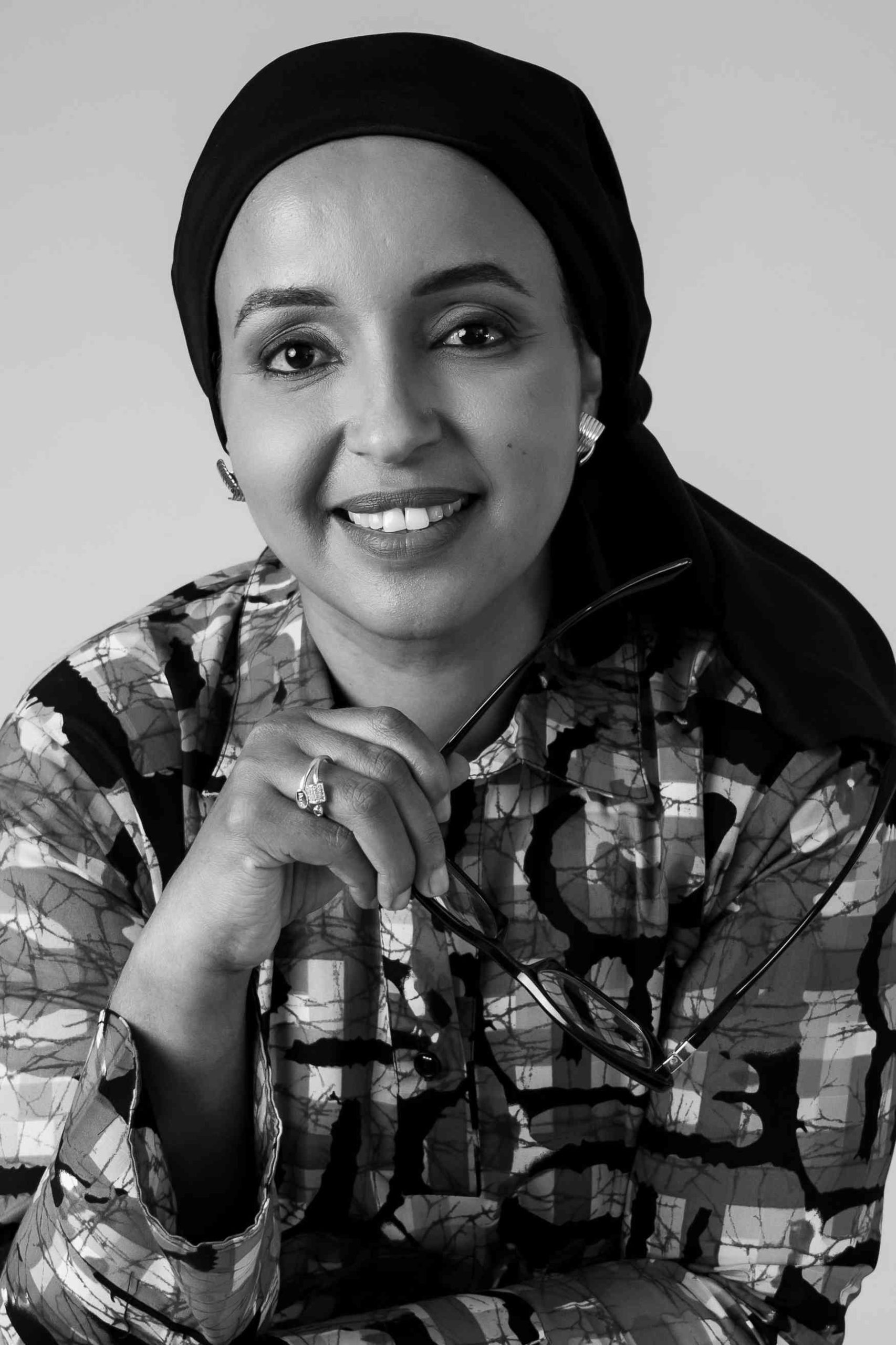
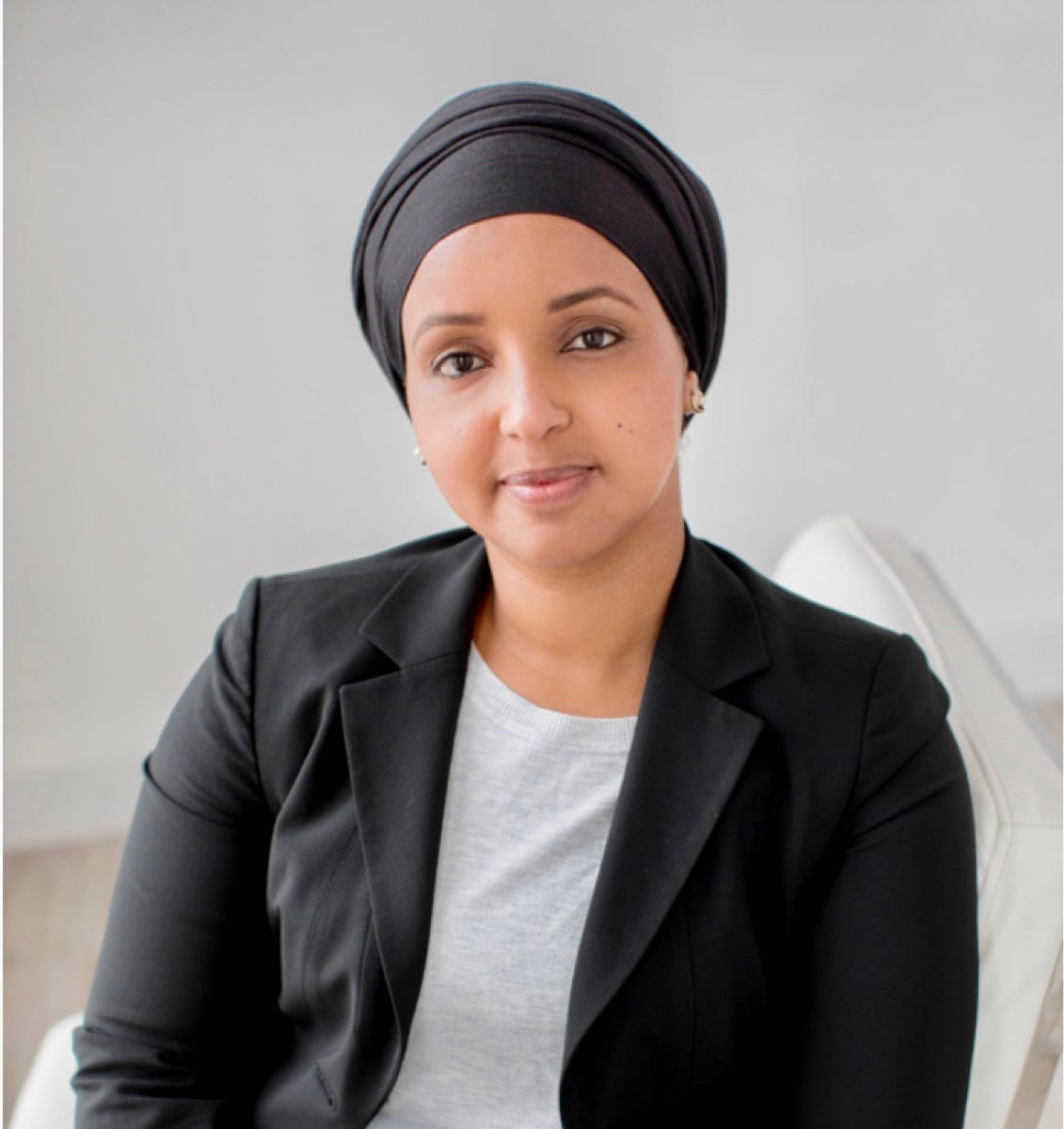
Sahra Noor grew up along the ocean, with the tangy smell of sea salt up in her nose, in coastal Mogadishu. In many ways today, she has become a global citizen, moving and living in countries across the world—sometimes forced to move due to circumstances beyond her control; other times, moving for work and the demands of family life. Presently, she lives in Nairobi, Kenya, where she leads a firm in public health consulting and advisory.
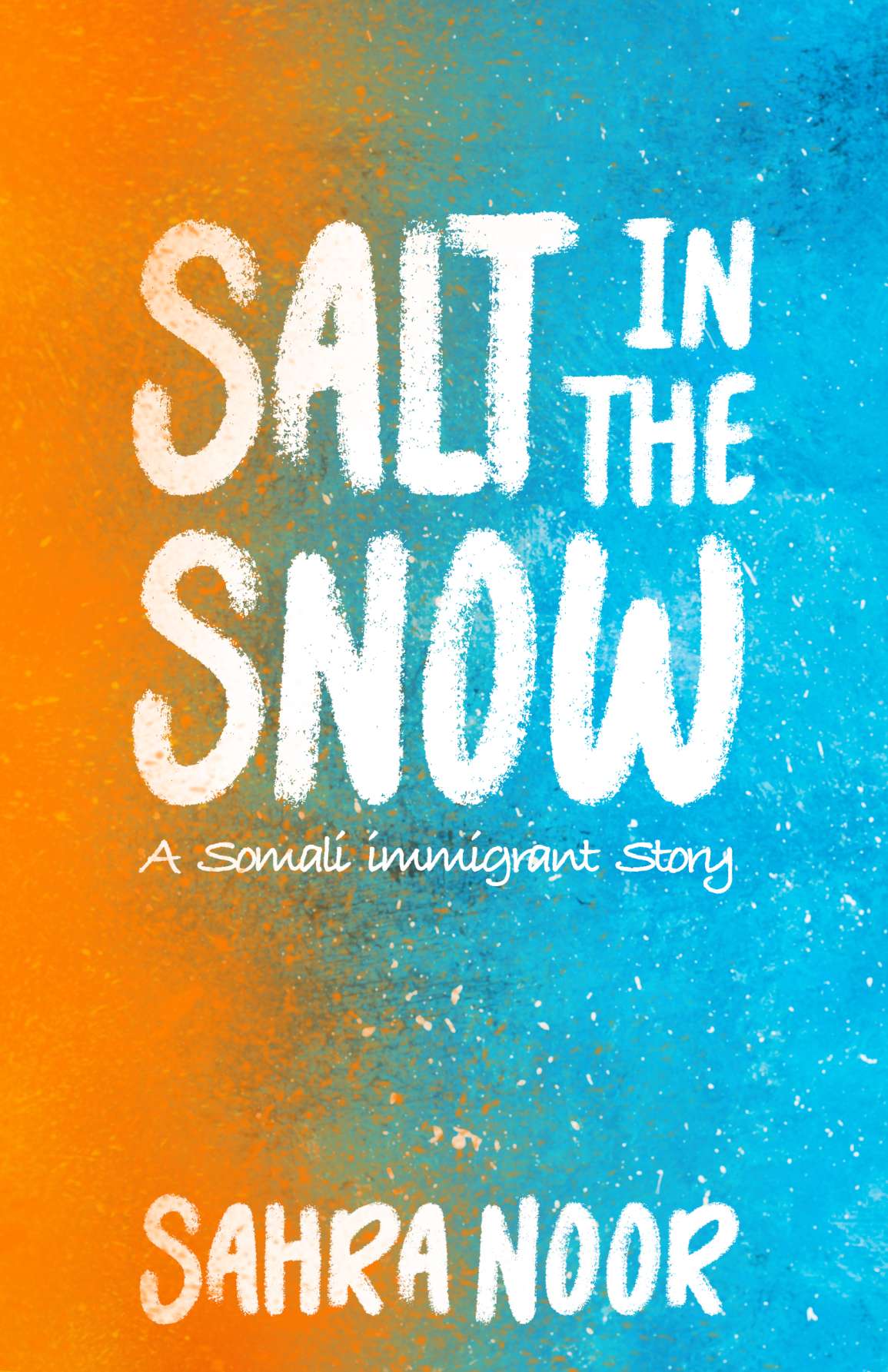
In 2020, she lost her only living parent, her father. It was then that she came to writing, returning to voice recordings, and trying to map a history of her family. And in telling her family’s story, she told Somalia’s, too. That attempt to map and chronicle history became Salt in the Snow (2026), her debut memoir.
It is a wonderfully moving book of nonfiction about living within two cultures, trying to understand and acclimatise to a new one while tenaciously hanging on to the values of the old. An Afrocritik review describes it as: “an immigrant memoir about a woman torn between those two worlds, her relationship with her father, and how she learns to negotiate her agency in the face of her father’s demands and hold on to tradition—it is also about that woman, Noor’s, active, still present negotiation with her own two cultures and languages.”
In this exclusive interview with Afrocritik, she lets us in on the making of that memoir and how becoming orphaned by COVID-19 lent a certain urgency to listening to recordings from her father and telling her family’s story.
Congratulations on the publication of your memoir. Salt in the Snow follows the major events that unequivocally shaped the trajectory of your life. When did you realise that you had to tell this story that is at once yours and that of Somalia?
It was after the death of my father that I realised I was now one of the elders in the family with the responsibility to document and tell our story to the next generation. And in telling our story, I came to understand that my voice carried the memory of a people. This story is mine, yet it belongs to the history, culture and spirit of Somalia.
Tell us your origin story as a writer. When did you begin? What first drew you to writing as an instrument for asking questions that could not be explored any other way?
What drew me to telling my own story was listening to the life interviews I had conducted with my father. After months of reflection, I began putting pen to paper in late 2021, starting simply by writing down key memories from my childhood, along with family interactions and experiences that held meaning for me.
At the time, I had no idea these writings would eventually become a book. It was just a way for me to explore my life journey more deeply as an adult orphaned by COVID-19, and to make sense of my experiences, my memories, and the person I was becoming in the absence of the only parent I had most of my life.
Memoirs and narrative nonfiction are an excavation of the self. Because of that intimacy, they have the capacity to reach far beyond what fiction can sometimes do. Why was it important for you that this story be told in the form of a memoir and not a novel based on your experiences?
I decided to tell this story as a memoir as a way of saying that these experiences happened, that they mattered, and that there is value in examining them honestly. I wanted to offer readers an invitation to reflect on their own lives and the experiences that have made them who they are.
As writers, we often don’t work alone; our work exists alongside traditions, whether these are traditions we consciously choose to belong to or identify with, or not. What books did Salt in the Snow take cues from, whether before or during its creation process?
I read widely, both fiction and nonfiction and the practice of reading has allowed me to notice how writers construct scenes, draw us into the dialogue, build tension, and make sense of the world through language. I’ve taken cues from many authors, including my favourites, Khaled Hosseini, Nadifo Mohamed and Imbolo Mbue.
Salt in the Snow employs all of the qualities of a novel: characterisation, plot, setting, theme, and dialogue, which combined give us a very rich story of one family’s ordeal in the face of war and after they escape it. How did you go about your reconstruction of original dialogue?
I considered how people spoke, their hesitations, their silences and distinctive expressions when reconstructing the dialogue. It was my way of revealing who the characters were, their values and their relationship to me.
A good percentage of the dialogue is chronicled in English, a language that, on arrival in America, feels “like a wall”. How did you go about this translation? Do you feel as though some information was left in the cracks of translation’s insufficiency? Why was there a need for this translation?
Translating dialogue and conveying a meaning that is spoken in Somali, Italian and Arabic into English without confusing the English reader was the hardest part of writing Salt in the Snow. My family members are bilingual and trilingual and mix those languages as if everyone spoke like them or knew those languages.
I ultimately decided to focus on the context of the scene and recreate and reconstruct the dialogue based on the substance, tone and meaning of each exchange without pretending to remember every sentence verbatim. I think the next generation of my family does not speak Somali as fluently as we do, and for my story to reach wider audiences, I chose to write in English, hence the need for translation.
Language can be fascinating in its capacity to convey certain nuances, nuances which may go on to change or morph when taken into a different language. Do you think Salt in the Snow would have been a different book had it been written in your first language?
As a debut memoirist, I’ve often wondered about how my writing would be different in Somali versus English. I think the Somali language has a specific rhythm, humour, directness and poetic quality (we are called “the land of poets”) that is different from English, so I imagine the written word would be different, but the stories, memories and emotions would be the same.
The memoir is a life story told through memory, which can very often be inconsistent or even untrue. How did you navigate the uncertainty of memory at the time of writing and editing Salt in the Snow?
In the process of writing, I came to understand that remembering is not the same as retrieving a recording of my past. Some moments came to me with clarity, others as fragments or impressions I couldn’t fully remember, and it’s those moments that I reached out to older siblings or aunts and uncles to help me remember more or make sense of it, and I’m grateful for their collaboration.
The memoir is tightly constructed in such a way that it zeroes in on your own personal journey and relationship with your father. Your siblings are put aside, and it is almost as though, after entering America, their lives stop intersecting with yours. Was this decision clear from the onset, or was it one that came out during the process?
It was not a decision from the onset. Looking back, it’s more of a reflection on how life in America and adulthood unfolded for us. We are all busy with our own lives, raising children, pursuing our dreams, so while we talk on the phone and get together for Eid celebrations or birthdays and weddings, we lead separate lives, for the most part.


The people in your memoir are real people. How did you deal with this? Did you have to pass passages by those living before publication or at any point during the writing process?
Yes, and they were very understanding and helpful in the process.
As a writer of nonfiction, do you find emotional stability a necessity in order to write? Or can you get to work regardless of the state of your mind?
Writing Salt in the Snow brought back a lot of emotions that I thought I left behind, and there were moments when I had to take a break for weeks or months and return to it when I was ready to write again. Those breaks helped me sit with the intensity of my feelings, process them and only come back to it when I felt I was regulated enough to not let emotions and feelings determine every part of the narrative.
From the memoir, it is clear that you do not write full-time. How do you navigate your schedule in order to get your writing done?
In my life, what doesn’t get scheduled doesn’t get done, so I had to have a dedicated time to write every Tuesday and Thursday, 9-12 noon. I also found accountability partners to help me stay on track when I was less motivated to sit down.
Increasingly, we find that celebrity memoirs have a somewhat easier chance of getting to press than that of relatively unknown authors. What did your journey to publication look like?
Preparing the manuscript, finding the right publisher, and making decisions about editing demanded humility, patience and willingness to accept criticism and feedback along the way. Perhaps the most important lesson I learned was how to live with uncertainty. There was no guarantee that I would find a publisher, or the book would ever reach its intended audience or receive the response I had hoped for. I could only control the care I gave to my manuscript, and what that means for aspiring writers like me is that while we may not know when the doors will open, we must do our best to prepare ourselves to walk through them when they do.
What next can we expect from you?
I work in silence, so you’ll find out when I’m ready to share.
What do you want your work to be remembered for?
I don’t think I want to be remembered just for having written a memoir. Writing a book is an achievement for sure, but I want to be remembered for my being a present, loving mother for my children, and for my work advancing health access and equity in the US and in Africa.
Azubuike Obi is an Igbo storyteller who believes in the transformative power of language. He won second place in The Republic Student Writing Competition (2025), and was nominated for Chika Unigwe’s Awele Creative Trust Award (2024). His fiction and nonfiction have appeared online and in print in The Republic, The Weganda Review, Naira Stories, Afapinen, Efiko Magazine, and elsewhere. He is a regular contributor at Afrocritik.