


Future growth in Africa’s video streaming market will likely be more reliant on centralised, ecosystem-driven access rather than scattered, unsustainable subscription models.
By Adedamola Jones Adedayo
Africa’s entertainment and media (E&M) sector is evolving rapidly, with growth particularly notable in key regions of the continent. In 2024, Nigeria led West Africa with an E&M growth rate of 11.2 percent, followed by Kenya in East Africa at 7.1 percent, and South Africa in Southern Africa at 6.2 percent. Despite shifting economic circumstances, these countries continue to stand out, highlighting Africa’s emerging position in the fast-paced global digital environment. Technological innovation, including the gradual adoption of Artificial Intelligence (AI), is shaping how young, tech-savvy populations engage with media content, particularly online.
Internet connectivity, evolving consumer behaviour, dynamic regulatory policies, and the rapid spread of digital advertising constitute key factors of Africa’s E&M market. As of 2025, Africa’s top internet markets included Nigeria with 107 million internet users, Egypt with 96 million users, South Africa with 51 million users, and Kenya, lower in absolute numbers, but with approximately 48% internet adoption, suggesting a stable mobile-centric approach.
Africa’s E&M sector encompasses both traditional and digital media forms, including television, radio, newspapers, magazines, books, video games, cinema, out-of-home advertising, internet advertising, podcasts, and over-the-top (OTT) video/streaming. OTT video, which bypasses traditional distribution channels like broadcast, satellite TV, and cable, directly engages viewers via the internet.
African Streaming Market Overview and Prospects
The African streaming market is far from a monolith. It operates as a complex digital ecosystem, with unique and sometimes overlapping market conditions varying across countries. Understanding and assessing the prospects of video streaming requires looking at Africa beyond the single-market or high-risk polarity with which it has long been judged. This also means abandoning the Western playbook. What proves more effective is a grounded analysis of market volatility, payment fragmentation, shifting regulatory frameworks and informal economic structures. These factors collectively shape consumer behaviour, pricing sensitivity and scalable growth opportunities within specific countries.
Over-the-top (OTT) video, a dominant streaming format across Africa, distributes content through internet-enabled devices such as smartphones, laptops and smart TVs rather than traditional broadcast infrastructure. This model allows users to access content on demand and at their convenience. OTT distribution in Africa typically operates through three primary models: Subscription Video on Demand (SVOD), Advertising Video on Demand (AVOD) and Transactional Video on Demand (TVOD).
SVOD requires users to pay a recurring subscription fee, usually weekly or monthly, for access to a content library. Platforms often provide tiered plans with varying levels of access and features. Prominent examples include Netflix, Amazon Prime Video and EbonyLife ON Plus.

AVOD delivers free content supported by advertising revenue rather than subscription payments. This model is particularly suited to developing markets, where affordability constraints limit paid subscriptions. Revenue is generated from advertisers targeting large user bases. Leading examples include YouTube and Tubi.
TVOD, also known as Pay-Per-View (PPV), operates like a digital rental system. Users pay individually for each film, episode or event they wish to access. This model mirrors the cinema ticketing structure in digital form. For instance, Circuits focuses on Nollywood and other African films, allowing viewers to pay per virtual screening.
A fourth approach, the hybrid OTT model, combines free and paid tiers. Users may access basic content at no cost but upgrade to premium plans for enhanced features. A notable example is YouTube Premium, which removes advertisements and offers additional functionalities beyond the standard free version of YouTube.
South Africa, Kenya and Nigeria illustrate the close relationship between internet penetration and OTT expansion. Nigeria, with approximately 107 million internet users, represents the largest online population in Africa, making it a strategic market for streaming platforms. However, fixed broadband infrastructure is concentrated in major cities such as Lagos and Abuja, leaving most users dependent on mobile data. South Africa demonstrates stronger fixed broadband integration compared to many African peers, yet the majority of its internet connections remain mobile-based. In Kenya, fixed broadband growth continues but faces structural and affordability challenges.
OTT services and video consumption through social media sites like TikTok and Instagram heavily impact data usage across African countries. In South Africa, over 70% of data usage goes into video content, while the rising presence of internet advertising and OTT services in Kenya accounts for moderate-to-heavy data usage. As for Nigeria, data consumption appears to be largely influenced by streaming and gaming activities, with internet access incredibly mobile.
Recent trends between 2024 and early 2026 hint at a rapidly changing streaming ecosystem across Africa, occasioned by the emergence and spread of new or existing platforms, changing monetisation models and strategic partnerships. A new wave of domestic initiatives have arrived, particularly in Nigeria, with services such as Circuits (December 2024), Kava (August 2025) and EbonyLife ON Plus (November 2025) experimenting with pricing and subscription models that prioritise local audiences. The same applies to La 1Gabonaise (June 2025), becoming the first 100% locally tailored Gabonese video streaming platform. Similarly, ad-supported streaming secures a foothold, with platforms such as France’s TF1+ launching across 22 Francophone African countries in June 2025 and South Africa’s SABC Plus recording milestones in user growth by February 2026.
Alongside these launches, strategic collaborations and acquisitions add to a competitive streaming landscape. Canal+ has embraced an aggressive expansion campaign, seen through its distribution agreement with Netflix across Francophone Africa and complete acquisition of South Africa’s MultiChoice (with her subsidiaries DStv, GOtv, and Showmax) in September 2025. Also, Warner Bros Discovery’s minority investment in OSN Streaming in March 2025 indicates international attention in the MENA region again, while telecom-led initiatives such as MTN’s liaison with video software provider Synamedia reflect how connectivity interacts with content distribution on the continent.

Signs of market strain, however, are evident. Subscription platforms face mounting challenges in price-sensitive environments, reflected in Netflix’s latest price increases in major markets like South Africa and Nigeria in 2025. Even more disturbing is the closure of Showmax, which took effect from the end of April, 2026, building on earlier departures such as BritBox in South Africa and the shutdown of Paramount Africa’s operations—all of which highlight the structural issues that come with the sustenance of large-scale streaming services in unpredictable markets.
With the latest infrastructural advances, such as the continued expansion of satellite internet services across several African countries and Ethiopia’s launch of teleStream in Ethiopia, there remain commendable efforts towards improving connectivity and domesticating content delivery. But these results remain uneven, presenting Africa as a unique economic and technological hemisphere, with subscriber numbers remaining modest compared to population sizes, and structural barriers affecting seamless adoption.
Regional Cinema Ecosystems and Streaming Adoption
West Africa
The West African population is estimated at 476.9 million as of 2026, according to a World Population Review report, with a mobile phone penetration rate of 96.7%, according to a UNESCO report. It is also Africa’s most prolific film-producing region, largely due to Nollywood, the Nigerian film industry, which drives regional output.
The distribution and exhibition landscape in West Africa is relatively diversified, spanning traditional television, cinemas, and over-the-top (OTT) streaming platforms. However, the growth of OTT services continues to be constrained by weak digital infrastructure across many countries in the region.
It is impossible to discuss the OTT market in West Africa without referencing Nigeria and its globally recognised film industry, Nollywood. In 2011, entrepreneur Jason Njoku launched IrokoTV, which became one of the country’s pioneering video streaming platforms, even though the platform later moved away from the Nigerian market after numerous failed attempts at profiting from premium streaming. Other local OTT operators such as IbakaTV (now primarily functional as a YouTube channel), Red TV, Accelerate TV (now Accelerate Plus), and MyFilmhouse (now defunct) subsequently entered the market at different times but have had to undergo significant operational and strategic adjustments to cater to market realities.

More recently, international platforms such as Netflix, Amazon Prime Video, and even the now-shut-down Showmax have strengthened their presence in the region over the years. At the same time, emerging local platforms including Kava, Circuits TV, and EbonyLife ON Plus are gaining traction. Yet rising data costs, following the 50% telecom tariff increase in early 2025 approved by the Nigerian Communications Commission (NCC), have significantly influenced affordability, slowing down streaming adoption among customers.
In Senegal, the narrative is somewhat depressing. Despite the country’s rich cinematic heritage, its streaming market remains significantly affected by underdeveloped payment systems and limited locally tailored content, particularly in indigenous languages. Nevertheless, the OTT space has been largely dominated by platforms such as Showmax, Trace Play, and Amazon Prime Video.
Central Africa
Central Africa has an estimated mobile phone penetration of 66.4% and internet penetration of 19.1%, making its digital market one of the least developed on the continent. The region includes Burundi, Cameroon, the Central African Republic, Chad, Congo, the Democratic Republic of the Congo, Equatorial Guinea, Gabon, and São Tomé and Principe. Distribution and exhibition mostly occur through international platforms such as MultiChoice and Canal+Afrique (with its OTT app, Canal+).
Cameroon has a notable cinematic history, especially in the 1970s and 1980s. Today, the OTT market is small and fragmented, with Netflix, Showmax (which is now gradually phasing out), Canal+, and PlayVOD providing access to both local and international content. Netflix has acquired Cameroonian films such as Therapy (2020) and The Fisherman’s Diary (2020), confirming international streaming engagement in the country.
Gabon’s La 1Gabonaise, which began in June 2025, has been marketed as one of the few state-backed efforts from this region to develop a national streaming outfit focused solely on local content. Notwithstanding, the region continues to rely predominantly on the global platforms for content distribution while local initiatives play second fiddle.
East Africa
East Africa has a growing population and increasing digital adoption, though exact regional totals vary. Mobile and internet penetration differ widely by country, with Kenya and Uganda emerging as digital media hubs, shaping local content creation and streaming adoption. The sub-region ranks second in Africa for film production, with countries such as Kenya and Ethiopia modelling some practices after Nollywood.
OTT distribution is dominated by global platforms including Netflix, Amazon Prime Video, MultiChoice (through Showmax) and Canal+ Afrique, alongside regional or local initiatives. Local examples include Viusasa in Kenya, Kibanda Xpress in Uganda, and Avetol in Ethiopia. YouTube remains a key platform for filmmakers in Ethiopia and across East Africa, providing both distribution and monetisation opportunities.
In February 2026, Ethio Telecom launched teleStream, an Internet Protocol Television (IPTV) and OTT platform offering live television and video-on-demand content bundled with a fixed broadband service system in Ethiopia, marking a trend in which telecommunications providers aid the circulation of video content across the region.
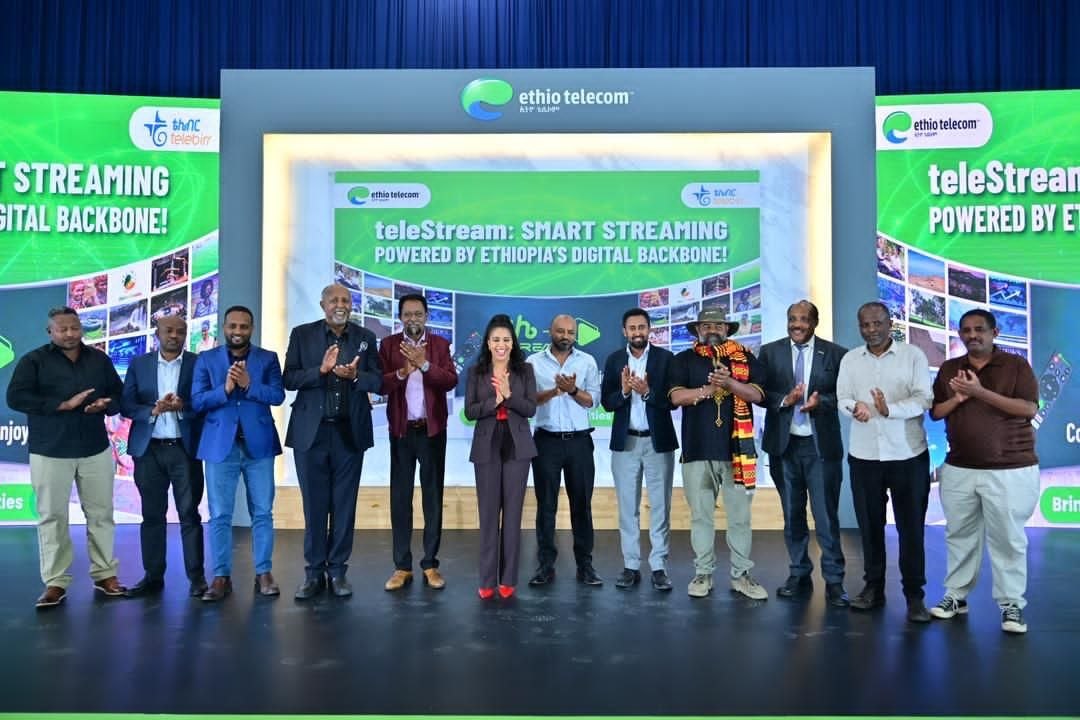
The rise of OTT in East Africa has shifted content distribution from traditional media to digital streaming, supported by generally lower data costs and increasing internet speeds in countries like Kenya. Local initiatives complement global platforms, though adoption and market impact vary significantly by country.
Southern Africa
Southern Africa has an estimated population of 75 million people, with mobile phone penetration exceeding 90% in several countries. Internet penetration across the region varies widely, with significantly higher connectivity rates in countries such as South Africa, Namibia and Botswana.
The region also possesses some of the continent’s most developed film production infrastructure. In particular, South Africa has become a major destination for international film and television productions due to its advanced studio facilities, skilled workforce, and government incentives. Namibia is similarly attractive for international projects because of its unique landscapes and filming locations.
The regional distribution ecosystem is diversified, encompassing traditional broadcasting, theatrical exhibition, and digital streaming. Pay-television remains influential through services operated by MultiChoice, whose platforms DStv and Showmax are among the most prominent content distribution channels in the region. In the streaming market, Showmax has competed with global platforms such as Netflix and Amazon Prime Video. However, Canal+’s acquisition of MultiChoice has triggered a seismic shift, with the shutdown of Showmax as a responsive action to Showmax’s losses of $522 million recorded between 2023 and 2025, initiating a move towards a centralised distribution model within the broader framework of MultiChoice. Other developments, such as the integration of ESPN and ESPN 2 Africa channels into Disney+ South Africa and the global rebranding of Apple TV+, both from 2025, contribute to the dynamics of video streaming in the region.

Southern Africa also maintains a relatively strong theatrical exhibition network led by cinema chains such as Ster-Kinekor and Nu Metro Cinemas, both of which have dominated cinema distribution across major urban centres.
Efforts by telecommunications operators to expand digital video services have also contributed to the region’s evolving streaming landscape. For example, Vodacom previously introduced its video-on-demand service Vodacom Video Play, while Cell C experimented with the streaming platform Black. Although some of these initiatives struggled to scale, they illustrate the growing interest of telecom operators in digital content distribution.
Across smaller Southern African markets such as Namibia and Zimbabwe, the streaming ecosystem remains comparatively limited. Most viewers rely on international platforms such as Netflix, Amazon Prime Video, and Apple TV (formerly Apple TV+). Namibia’s national broadcaster, Namibian Broadcasting Corporation, has also launched its own streaming service, nbcPlus, to expand digital access to local content.
North Africa
The North African region has a long-established film and television industry, particularly in Egypt, which remains one of the most influential audiovisual production centres in the Arab world. North African cinema has historically played a central role in shaping cultural production across the wider Middle East and North Africa (MENA) region.
In the digital distribution space, streaming services have grown rapidly as audiences increasingly consume content online. Regional platforms such as MBC Shahid (rebranded in January 2026 following the acquisition of a majority stake in MBC Group by the Saudi Public Investment Fund) and StarzPlay compete with international services including Netflix, Amazon Prime Video and Apple TV.
The Egyptian market has emerged as one of the most competitive streaming environments in Africa and the broader MENA region. In addition to global platforms, locally developed services such as Watch iT! are known for offering Egyptian films, television series, and exclusive local productions. Other regional platforms operating in the country include Weyyak and the sports streaming service beIN Connect.
In Morocco and Tunisia, streaming adoption has also grown steadily, driven largely by the popularity of international platforms such as Netflix and Amazon Prime Video, alongside regional services distributed by Canal+.
Barriers and Challenges
The biggest setback to video streaming in Africa is infrastructural bottlenecks, most notably government policies with weak regulatory frameworks, high data costs and limited broadband access. An example of this is the 2025 telecoms tariff increase in Nigeria, which raised the cost of mobile data significantly, demonstrating how policy decisions can directly affect streaming adoption in situations where large parts of the population, comprising mostly low-income earners, struggle to adjust to the increment. In some cases, these bottlenecks are products of corrupt and dysfunctional African governments, with their effects felt across other sectors of society.
Another common problem is the lack of unification in payment systems and regulatory policies across African countries. Every African country has its own independent system and rules for licensing, data protection and payment, which creates a fragmented framework for streaming on the continent. In 2022, the African Union and Afreximbank launched the Pan-African Payment and Settlement System (PAPSS) to facilitate cross-border payments and transactions in Africa, a foundational step in the right direction. Three years later, PAPSS had reached at least 18 African countries, forming bonds with the countries through their apex bank and other relevant financial institutions. Despite its reach, the potential of the system is yet to be fully realised as issues around payment compatibility linger.
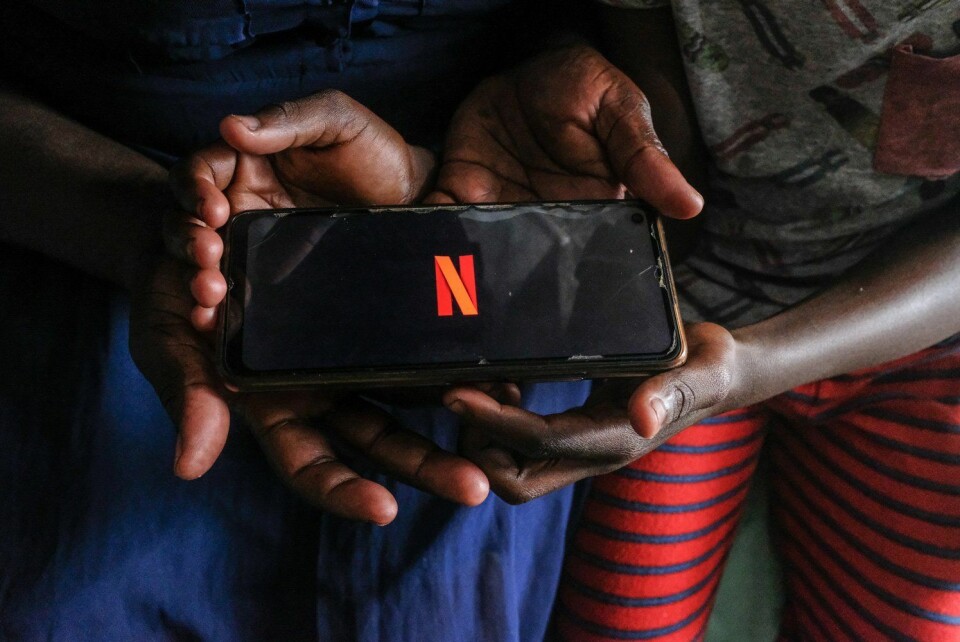
Also, digital piracy weakens the streaming market in Africa. Even though piracy of intellectual property is as old as the existence of art, the digital era has made it more prominent. Copyright laws exist across African countries to control unauthorised access to and distribution of film and other media content, but these laws have proven to be barely effective. Financial constraints and a struggling economy are strong motivators of digital piracy in African countries. For the average income earner, a renewable monthly Netflix subscription is unsustainable.

Recent data from Cloudwards ranks Rwanda, Ethiopia, Zimbabwe, and Niger among the countries where Netflix basic and standard plans are least affordable relative to income. In Rwanda, where the median average monthly salary is $39.95, the average income earner will have to work for over 4 days (35 hours 12 minutes) in order to afford a Netflix standard subscription.
Due to the high cost of living, many consumers rely on online platforms such as Telegram, Moviebox and 9jarocks for illegal downloading and watching of Nollywood and other African films. For these people, the alternative is a cost-effective approach that saves them the extra expenses that come with either visiting the cinema or subscribing to streamers like Netflix and Prime Video.
Future Outlook & Predictions
Mobile internet penetration in Africa continues to grow, albeit at an uneven and fragmented pace, with penetration varying significantly across the continent. Countries such as Burundi, Chad, the Central African Republic and Mozambique record penetration rates below 20 percent, while nations like Seychelles, Tunisia and South Africa exceed 50 percent, as of February 2025. These disparities can be mostly attributed to harsh socioeconomic realities and poor governance.
Although 5G adoption is gradually expanding, 4G is expected to remain dominant until around 2029, when subscriptions may begin to decline. A PwC report projects that by 2027, 5G subscriptions will significantly overshadow 3G in both adoption and sustainability. In Nigeria, data consumption is forecast to grow at a compound annual growth rate of 25.4 percent, reaching an estimated 58.2 thousand petabytes by 2029.
Kenya, meanwhile, is expected to exceed its current 72 million cellular connections, driven by sustained government broadband investment and Safaricom’s expanding 5G-enabled services. By 2030, more than half of Africa’s 5G connections are projected to be concentrated in Nigeria, Kenya and South Africa.
Somalia is also positioning itself for improved connectivity. In 2024, mobile operators Somtel and Telesom launched the country’s first commercial 5G rollout, beginning in the capital, Hargeisa. As the decade progresses, expanded 5G infrastructure is likely to accelerate digital transformation, including the growth of streaming services in the country.
Despite speculation about Netflix scaling back investments in developing markets, South Africa remains fundamental in the streamer’s African playbook. Netflix, alongside other video-sharing platforms, depends on high-speed internet infrastructure to sustain growth. Early 5G adoption is already visible in South Africa and could account for 36.1 percent of total mobile subscriptions by 2029.
Advancements in mobile connectivity across African regions will depend heavily on rising smartphone penetration and the continent’s youthful demographic profile, from which the major audience for OTT video consumption arises. Broader internet access is expected to provide optimal user experiences and strengthen involvement in the digital economy.
Across Sub-Saharan Africa, generative AI is further accelerating digital transformation. Mobile operators are increasingly deploying AI to optimise network performance, personalise services and improve customer engagement. AI is also shaping contemporary African cinema, influencing both thematic exploration and aesthetic experimentation. For example, Swiss-Kenyan Damien Hauser’s mockumentary Memory of Princess Mumbi engages critically with artificial intelligence in African storytelling, reflecting on the evolving intersection of media, technology and culture.

According to projections by the United Nations, AI could contribute approximately 1.5 trillion dollars to the economy of Sub-Saharan Africa by 2030. Such growth would have far-reaching implications for digital services, including video streaming. A more AI-driven generation of young Africans may increasingly engage with cinema not only as consumers but also as creators. Strategic partnerships and targeted investments will likely emerge to enhance film production, distribution and monetisation across the continent. Measurable improvements in distribution infrastructure will have a direct and lasting impact on the scalability and sustainability of video streaming ecosystems in Africa.
The next phase of Africa’s streaming evolution will ultimately be hinged on localisation, consolidation and hybrid distribution models. The change from standalone platforms to compact structures, demonstrated, for instance, through Canal+’s reassessment of priorities for MultiChoice with the abandonment of Showmax, shows that future growth in Africa’s video streaming market will likely be more reliant on centralised, ecosystem-driven access rather than scattered, unsustainable subscription models. A similar case can be made for the rise of more African-led streaming platforms that, unlike foreign counterparts, will better align pricing with local economic realities.
With the rise of new African video streaming platforms, more distribution opportunities are created for filmmakers seeking to connect intimately with immediate audiences without having to gravitate towards foreign ecosystems. Healthy competition will arise among local streamers, which increases the odds of local market strategies catering to the diverse population of video creators and consumers around the continent. By 2030, Africa’s digital video ecosystem is expected to have turned out differently from European models, with local realities dictating pricing, market access, payment systems, and sustainability. In spite of these anticipated developments, countries undermined by frequent seasons of political conflicts and economic instability might struggle with significant progress, creating an imbalance in the assessment of Africa’s video streaming future.
Strategic Recommendations
African policymakers, most especially government officials and state authorities, should invest in nationwide broadband networks to reduce over-reliance on expensive mobile data. Their focus should be on mostly rural and underserved communities, increasing equitable and cost-effective access to OTT and other relevant digital platforms. They should work together to harmonise regulatory frameworks across their respective jurisdictions for a genuinely Pan-African outlook. Regulations should be uniform or closely linked while covering copyright protection, licensing and data privacy across African countries. This should be accompanied by a run of awareness campaigns on legal streaming options and long-term enforcement of copyright laws. Considerable support and intentional commitment should also go to initiatives like PAPSS that are already pulling strings to ease intra-continental payment systems.
It has become more important now than ever for these policymakers to promote and incentivise Pan-African streaming platforms. This move is overdue, considering the scepticism with which international streamers like Netflix and Prime Video seem to be engaging with African creators in recent times.
When African streamers are supported and given the opportunity to thrive under different authorities across the continent, the problem of distribution is drastically reduced, and more indigenous films can travel to new audiences on the continent without barriers. This is a step towards democratising the streaming market, as African filmmakers don’t have to wait for a creamy Netflix deal anymore to put out their works and make money while connecting with the world. The setbacks experienced by platforms such as IrokoTV and Showmax should, however, be carefully examined and treated as lessons by investors, entrepreneurs, and policymakers, in order to avoid similar pitfalls and more accurately assess the African market in their efforts to indigenise video streaming.
Developing Africa’s video streaming market also requires supporting grassroots content development. To achieve this, policymakers and stakeholders are expected to set up and finance film schools and provide grants for local productions in smaller markets and underrepresented regions like Central Africa. Indigenous language films should also be encouraged to expand audience engagement and preserve cultural values.
African governments can facilitate technology adoption by partnering with mobile operators and telecom giants to encourage 4G expansion and 5G rollout and support AI-driven resources aimed at improving the digital experience.
Other industry stakeholders, particularly investors, distributors and telecom giants, can influence the future of Africa’s video streaming by tailoring their platforms to cater to the market realities of ordinary Africans. This could mean adopting a hybrid OTT model combining SVOD and AVOD, which makes it possible for users to decide on which suits their budget. Subscription plans should match regional income levels and cultural preferences.
For proper tracking of progress and development in African cinema, stakeholders should leverage data and analytics on trustworthy platforms like Comscore. By doing so, stakeholders can monitor user behaviour and study consumption patterns, preferred content genres and peak viewing times to make decisions and take actions that will impact the streaming market on the continent.
Adedamola Jones Adedayo is a film journalist and critic with special interest in African cinema. Through writing and audiovisual mediums, he creates conversations around cinema in Africa and the Diaspora. You can find him on Instagram @jonesthegoodboy and X on AdedamolaAdeda4.