

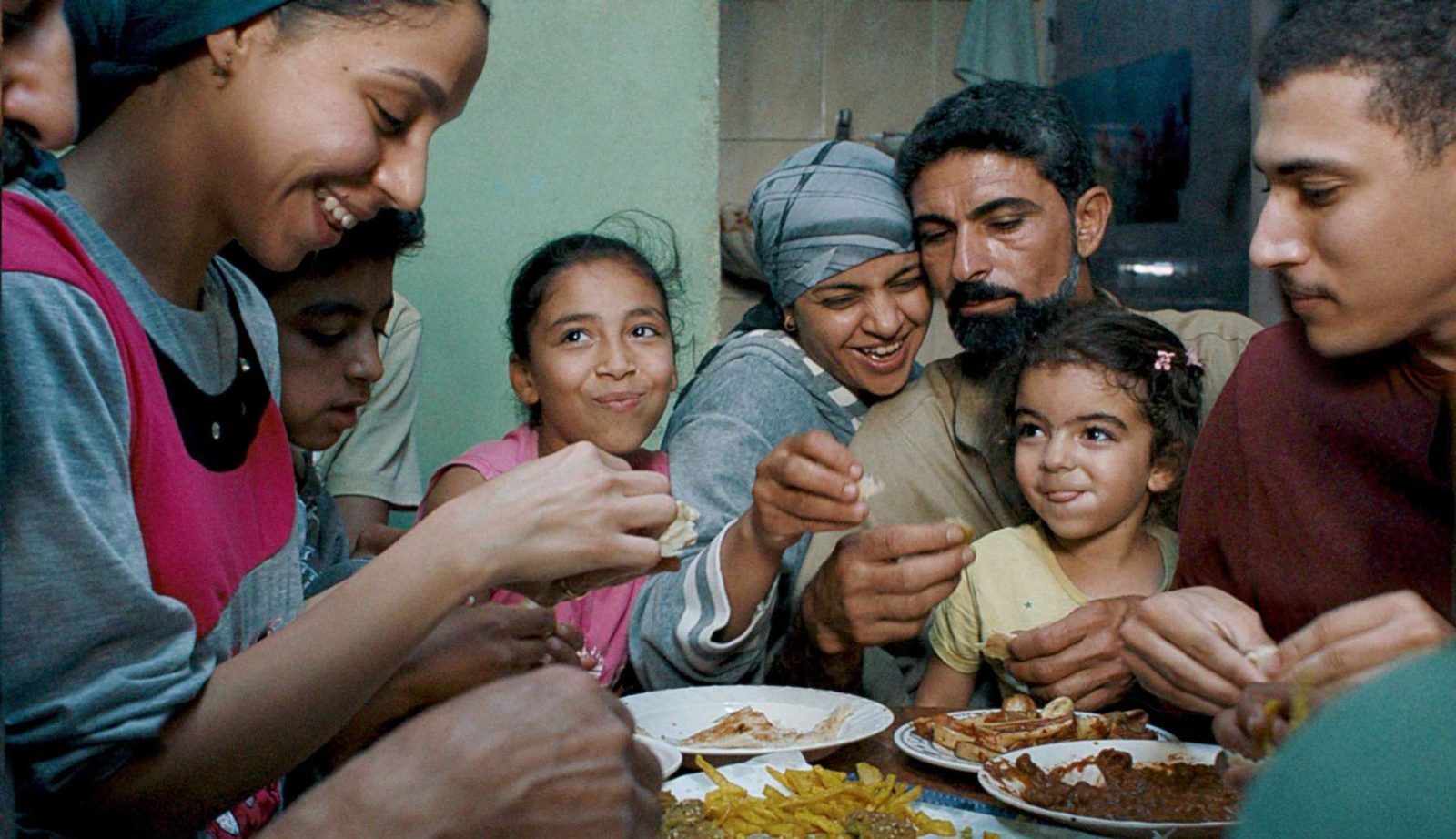

A film about the pleasures and pressures of simple, communal living, Al Baraneya is underlined by an ideological tension between contentment and the comfort of a small and familiar life on one hand, and the desire for freedom and a larger life, on the other.
By Vivian Nneka Nwajiaku
There is a defining scene in Al Baraneya (2026) where a married couple ponder the prospects of selling their land and moving their family out of the eponymous Egyptian village and into the bustling city nearby. The land has been in their family for generations. It is from the land that they derive the agricultural produce that sustains the family’s trade and supplies most of its income. It is their most prized possession, the one thing the couple can leave for their children. But they have received an offer for the land, one that is tempting enough that even as they openly rebuke the offer, they find themselves losing sleep over it in the privacy of their bedroom.
Perhaps, if they had no knowledge of the lives that other people were now living after being presented with a similar choice, they might be stronger in their convictions. But they know of a former neighbour who now lives in a nice apartment in Alexandria. “It has a really nice balcony by the sea”, the husband says, somewhat wistfully. To which the wife responds, “Are we people of balconies?”
This tension between what people are or what they may be better suited to and what they long for, especially in an age of unrivalled access to the lives of others, forms the central thesis of the narratively light Al Baraneya, the debut feature film by Dutch-Egyptian filmmaker, Ashgan El-Hamus.
A film about the pleasures and pressures of simple, communal living, Al Baraneya is underlined by an ideological tension between contentment and the comfort of a small and familiar life on one hand, and the desire for freedom and a larger life, on the other.
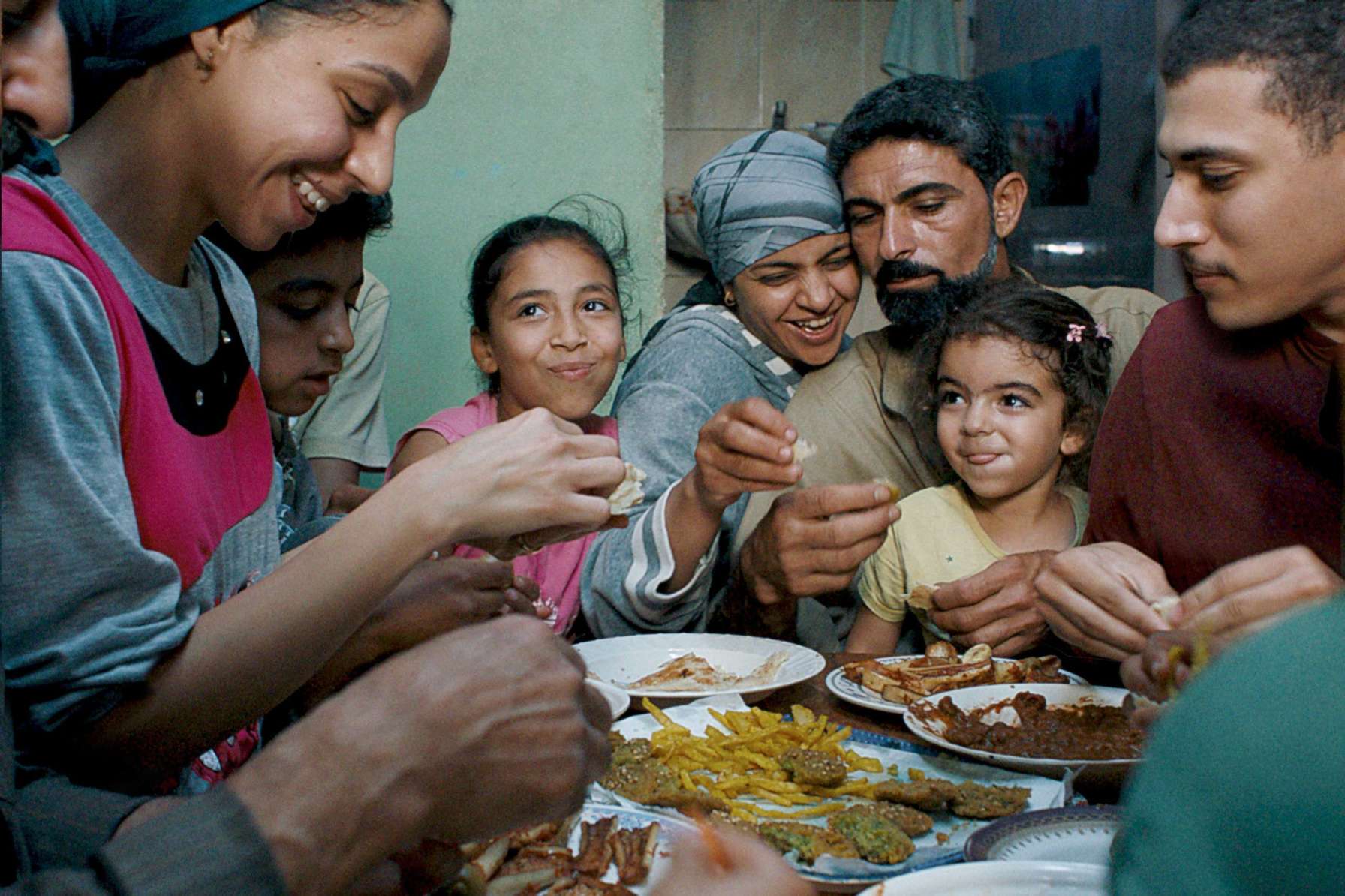
The couple are the father, Sayed (Alsayed Mohamed El-Hamus), and mother, Sara (Sara Ali El-Hadary), who lead a large family of siblings and cousins in Al Baraneya. The entire extended family might as well be a singular character in the film, and an interesting one given that most of the cast members are real-life relatives of the writer-director playing versions of themselves. But director El-Hamus settles on a central character played by a professional actor. Reem Amer plays Amal, the eldest daughter and the film’s most individualised character.
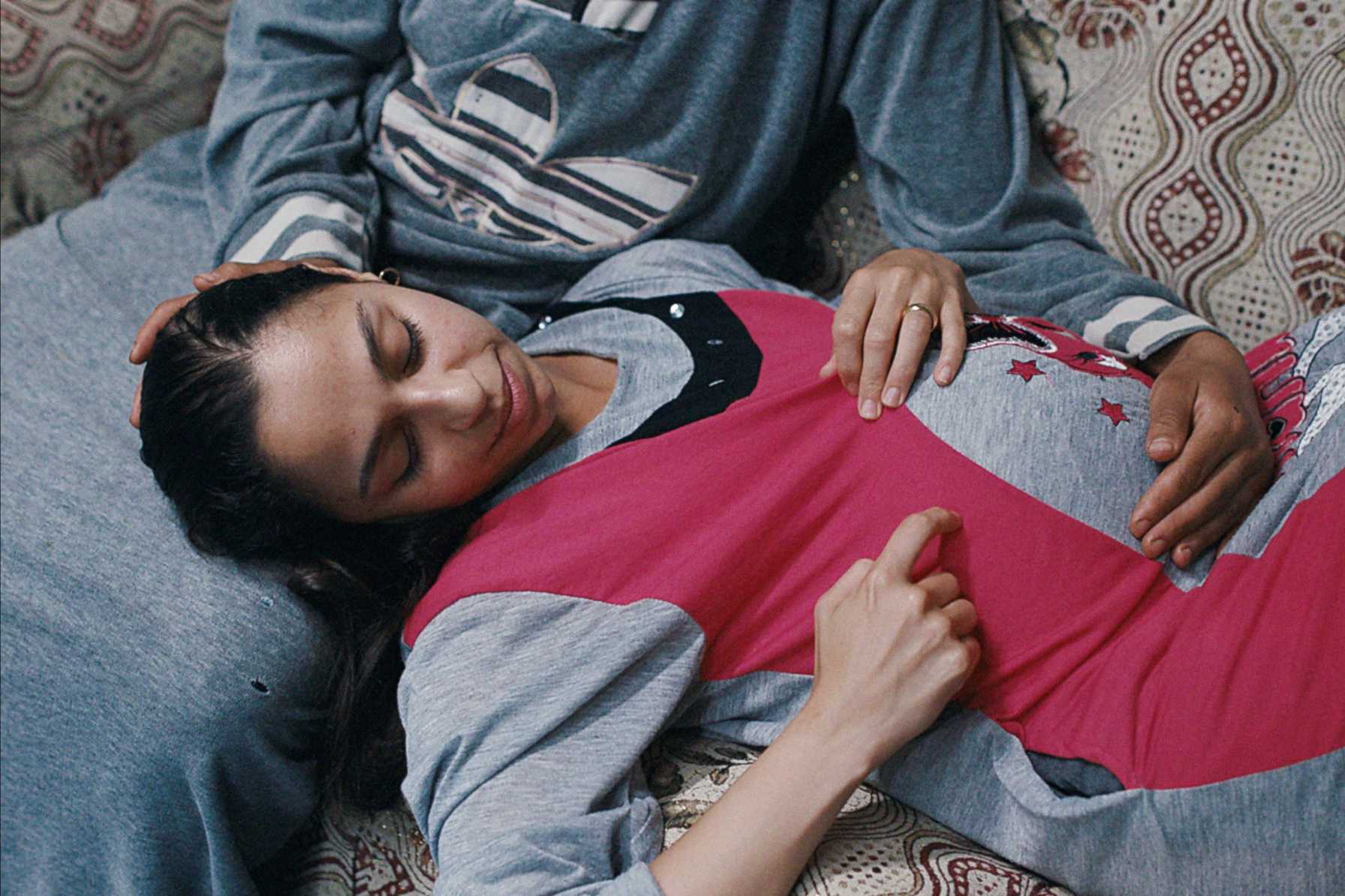
Amal is a young pregnant wife still living with her parents while her young husband, Omar (Mostafa Noureldin), works to complete a home for their new family. She spends her days seemingly content with helping her mother, looking after her grandmother (Fatma Farahat El-Hadary), and being surrounded by her playful younger sisters and cousins.
While the boys join the parents on the farm, Amal wakes the younger girls before dawn and leads them to the fields to pick Jasmine, which they make into garlands and sell to customers on the highway and passengers on the train. Sometimes, they make sales, and sometimes, they lament the slow pace of the business. But mostly, they play, banter, and enjoy one another’s company, and it becomes more and more obvious that Amal is confronting the final days of her childhood.
Al Baraneya is not quite a coming-of-age film in the conventional sense of the genre, but Amal’s transition from childhood to motherhood becomes the fulcrum for the film’s frictions. El-Hamus deftly situates her between the carefree happiness of childhood and the concerns of a future that closely resembles her mother and grandmother’s present.
At the same time, Rania (Salma Khattab), a cousin closer to her age, visits from Cairo with gifts that represent city-styled femininity, while a stranger interrupts their familial comfort with an offer to buy their land for enough money to provide them a comfortable life in the city and reprieve from the economic challenges that they increasingly face in Al Baraneya.
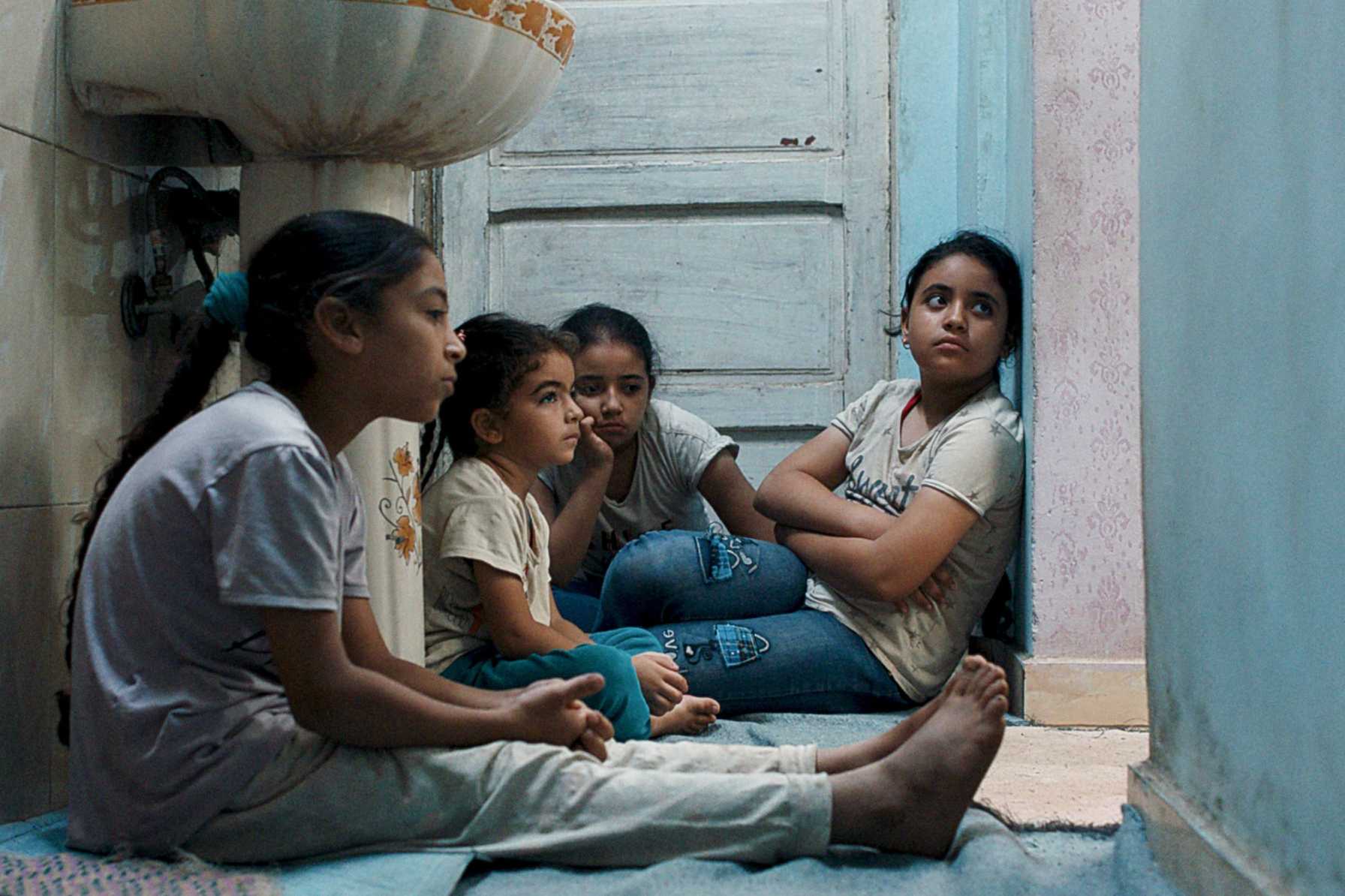
Meanwhile, Amal envies the city people she watches on the television with her grandmother. And Omar has just bought her a smartphone, with social media plunging her into a world of freedom and independence. Amal’s phone and the television practically become windows into another world, changing her understanding of what is possible and inspiring curiosity in the younger girls. But the digital access also sows seeds of dissatisfaction with the only life she has ever known, and, inevitably, Amal begins to rebel, disappearing into the city and triggering conflicts at home.
The point is not that urban exposure is good or bad. Sure, Al Baraneya makes a case for small living and would like to convince its audience that communal life is a worthy choice. It is an idea that most people on the African continent would likely be familiar with, even as urbanisation is rapidly taking hold, along with its tendencies for isolation. But El-Hamus acknowledges the value in digital and urban exposure, though it causes worries for her characters.
When Amal’s rebellion begins to rub off on the younger girls, Sara accuses Amal of being a negative influence, and even Amal eventually becomes concerned when they start pushing boundaries. Yet, El-Hamus also uses the tension to raise a larger question about how one generation of women can challenge boundaries and, in doing so, make it possible for the girls coming after them to imagine different paths.
Moreover, Al Baraneya does not portray city life in a negative light. Instead, cinematographer Douwe Hennink paints a stunning picture of rural life contrasted with the bustle of the big city. In Cairo, not very far away from Al Baraneya, it is the city itself that has the energetic character. But in the gentle, cosy and intimate Al Baraneya, where there’s not much external sound other than the train noise and the Call to Prayer, energy flows primarily from familial and communal life.


Director El-Hamus is based in Amsterdam. The film is itself a co-production between the Netherlands and Egypt (alongside Belgium and Saudi Arabia), with a predominantly Dutch crew that includes Hennink and co-screenwriter Roelof-Jan Minneboo. But El-Hamus’ family really does have roots in Al Baraneya, and the film is made even more personal and sincere by its cast of non-actors tapped from the director’s family—a template that is being adopted more and more in African cinema.
There have been multiple instances this year alone, from the Rotterdam-premiered Variations on a Theme where South African co-director Jason Jacobs had his grandmother play the lead role, to the recent Venice-premiered La Maison du Wind (House of the Wind) where Cameroonian director Auguste Bernard Kouemo Yanghu cast his mother in the central role.
In Al Baraneya, it never sticks out in a bad way. The cast deliver committed performances, with spirited turns from Fatma Ibrahim El-Hamus, Nadia Ahmed El-Hadary, Farida Alsayed El-Hamus, and Asmaa Ahmed El-Hadary, who play Amal’s sisters and cousins, and controlled performances from Alsayed Mohamed El-Hamus and Sara Ali El-Hadary as Amal’s parents. Their offscreen relationships work in the film’s favour, but so does the professional casting. Amer, in particular, is a revelation as Amal, and even as an outsider, she still fits right in.
On occasion, Al Baraneya overindulges, especially as it continues to follow the family’s routine in the second act. It’s both a byproduct of that routine and an artistic choice to immerse the audience in the lifestyle the film invites them to adopt. Those with a preference for a more bustling approach to life and cinema may need more convincing to take to this film or the life it pitches. Nonetheless, there is a charming honesty to its approach, a beauty to its serenity, and a delight in its chaos.
Rating: 4.1/5
*Al Baraneya premiered in the Giornate degli Autori sidebar of the Venice International Film Festival in September 2026.
Vivian Nneka Nwajiaku is a writer and film critic writing from Lagos. She has a master’s degree in law but spends most of her time consuming, studying and discussing film and TV. She’s particularly concerned about what art has to say about society’s relationship with women. Connect with her on X @Nneka_Viv